

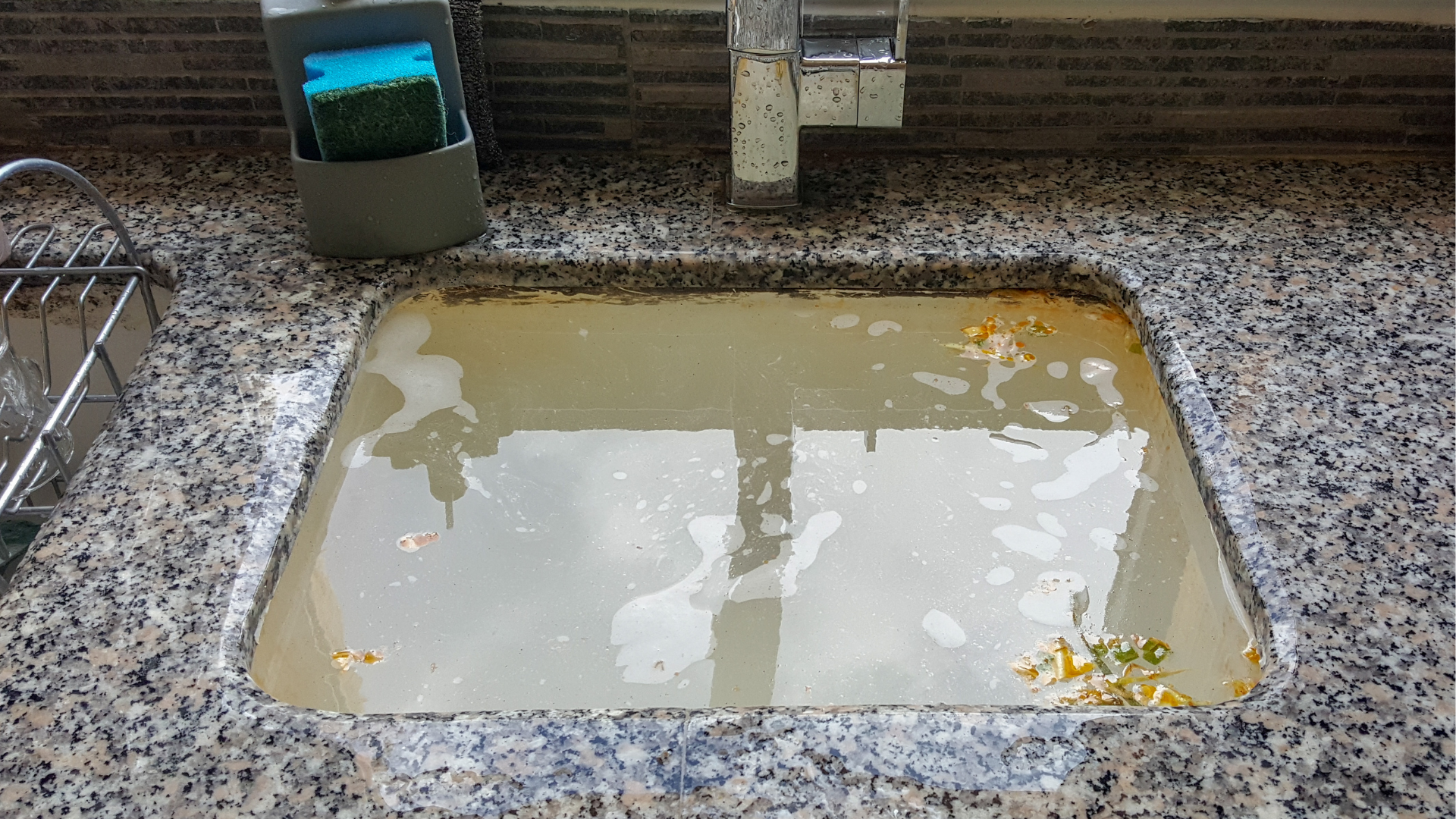
When a drain backs up out of nowhere it feels sudden, but in reality, most “instant” clogs have been forming quietly for weeks or even months. As one of Charleston’s most experienced drain cleaners we see this almost every day. Typically homeowners search for “drain cleaners near me“, and call us saying “My drain was fine yesterday, and today it’s totally clogged!” Once we diagnose the problem, the truth is almost always that the clog has built slowly… but is not causing more than a small inconvenience.
Below, we break down why drains suddenly stop working, what’s unique about the Charleston area, and what you can do to prevent a surprise backup in your home.
Four Common Causes Behind a Sudden Clog
Most “sudden” clogs trace back to one of four underlying causes. Here’s how to tell which one is likely behind yours.
Grease Buildup
Grease is one of the most common causes we see, especially given how much Lowcountry cooking relies on it. Fried foods, seafood boils, and rich sauces all send grease down the kitchen drain, where it cools and hardens against the inside of the pipe. Each pour adds another thin layer until the opening narrows enough to slow, and eventually stop, the water flow. If the clog is limited to the kitchen sink and has built up gradually, grease is usually the culprit.
Root Intrusion
Tree roots seek out any source of moisture, and a sewer line is an easy target if there’s a crack or loose joint anywhere along its run. Once a root finds its way in, it keeps growing, gradually filling more of the pipe’s interior and restricting flow. Root intrusion tends to show up as a clog that keeps returning no matter how many times it’s cleared, since snaking or plunging only clears a path through the roots rather than removing the source. If a clog affects a line running near mature trees and keeps recurring, roots are a likely cause.
Foreign Object
Sometimes the cause is simpler: something got into the pipe that was never meant to go down a drain in the first place. We’ve pulled socks, underwear, and “flushable” wipes that never actually broke down out of clogged lines. Unlike grease or root buildup, a foreign object clog tends to happen suddenly and completely, often in a single fixture, right after the item went down.
Pipe Collapse
The most serious cause is a physically damaged pipe. Older lead and clay pipes, still found in some of Charleston’s historic downtown homes and older neighborhoods, are more prone to cracking or collapsing over time. Once a section of pipe collapses or partially caves in, water has nowhere to go, and standard snaking or plunging won’t resolve it since the blockage isn’t debris, it’s the pipe itself. A camera inspection is usually the only way to confirm a collapse and locate exactly where it is before repair work begins.
Clogs Don’t Happen Overnight, but Exponentially
Most homeowners don’t realize that drain buildup grows faster once it starts. Here’s how it really works:
First, a tiny layer of grease, food, or paper begins to accumulate, next that small obstruction slows the flow of the drain. After this that slower flow causes debris to stick more quickly, and the clog grows exponentially. That is until one day, it finally stops the line completely causing the “instant clog”
From the homeowner’s perspective, it’s sudden, but from a plumber’s perspective, it’s been developing for weeks or even months.
When a “Small” Clog Is Actually a Main Line Problem
We often arrive to find homeowners convinced the issue is just a kitchen sink or toilet clog. But as soon as we start inspecting, we see the problem is deeper in the system. Here are some common signs of main line clogs:
- Multiple drains gurgling
- Water backing up in a different fixture (ex: tub fills when you flush)
- Slow drains throughout the home
- Backups that return immediately after plunging
In these cases, we usually recommend:
- Camera inspection — to locate exactly where the obstruction is
- Hydro jetting — to deep clean the entire line, this method works great for soft and hard clogs
- Drain snaking — to dislodge any smaller soft/smaller clogs in toilet/sink drains
What Homeowners Misunderstand Most About “Sudden” Clogged Drains
The #1 misunderstanding for homeowners is that clogs don’t usually happen instantly. It’s usually a slow, invisible buildup that finally reaches its breaking point. One family visit… one dishwasher cycle… one big cook… and the drain gives out.
Charleston & Lowcountry Homes Have Unique Drain Problems
While many older lead and clay pipes have been replaced throughout the Charleston area, we still find them in historic downtown homes and older neighborhoods. These materials crack more easily and allow roots or debris to intrude. Other Charleston-specific issues include:
- Heavy storms & high water table
- Being close to sea level means heavy rainfall can cause drains to back up faster and more often.
- Grease-heavy Lowcountry cooking
- Fried foods, seafood boils, rich sauces, and other grease heavy dishes can lead to clogs when disposed of down the drain.
- Holiday guests & seasonal spikes
Reasons we Get More Drain Calls During Thanksgiving and Christmas
- Toilets get more use
- Extra showers overload older plumbing
- Heavier cooking sends more grease and scraps into the drain
Most homeowners think the holiday caused the clog, but really, the drain had been struggling for weeks.
Surprising Objects We’ve Found in Clogged Drains
- Socks
- Underwear
- “Flushable” wipes that don’t actually break down
DIY Attempts Can Make the Clogged Drain Worse
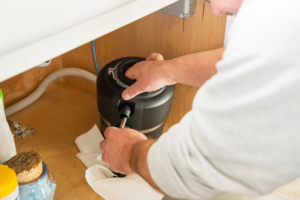
Charleston homeowners often try; Hand augers, Chemical drain cleaners, taking plumbing apart under the sink to investigate themselves, and other common DIY methods. While the intentions might be good, usually the results aren’t. By the time we arrive on most of the DIY jobs, sometimes more work has been created, or the homeowners don’t even believe what they did helped resolve the problem in any way.
The Best Preventative Advice for Charleston Homeowners
If you feel a clog starting, or even minor slow draining we recommend getting ahead of it. Our most popular solution her in Charleston is preventative water jetting, also known as hydro jetting.
Benefits of Hydro jetting:
- Deep cleans the pipe walls
- Removes years of buildup
- Flushes grease film that snaking can’t reach
- Keeps drains clear far longer
- Prevents more costly backups from happening
Real Example: Before & After Drain Cleaning in Mt. Pleasant
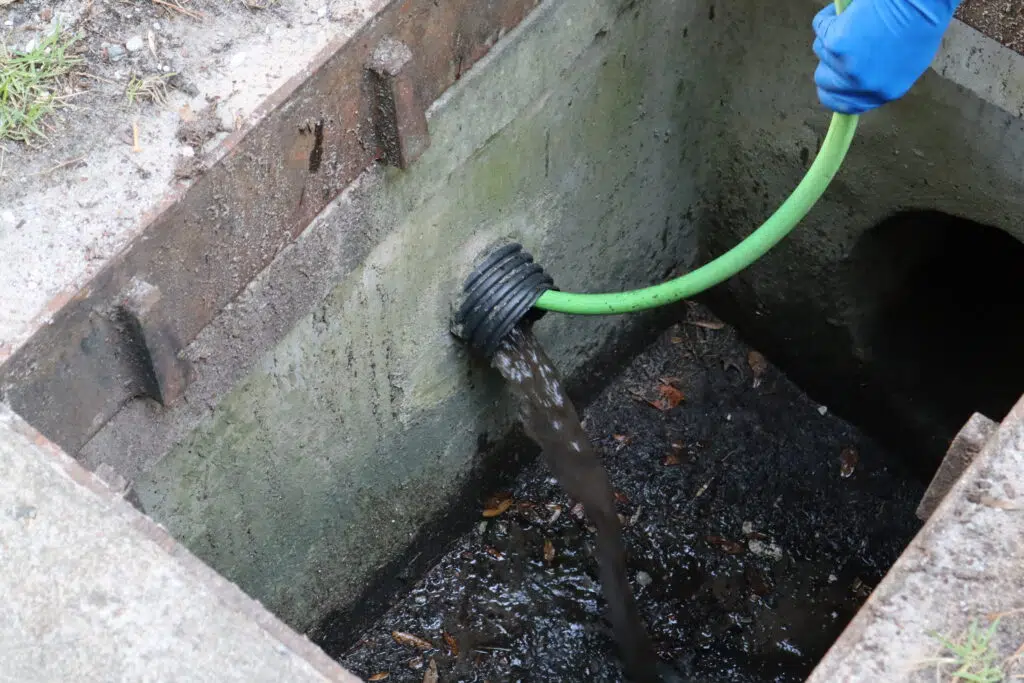
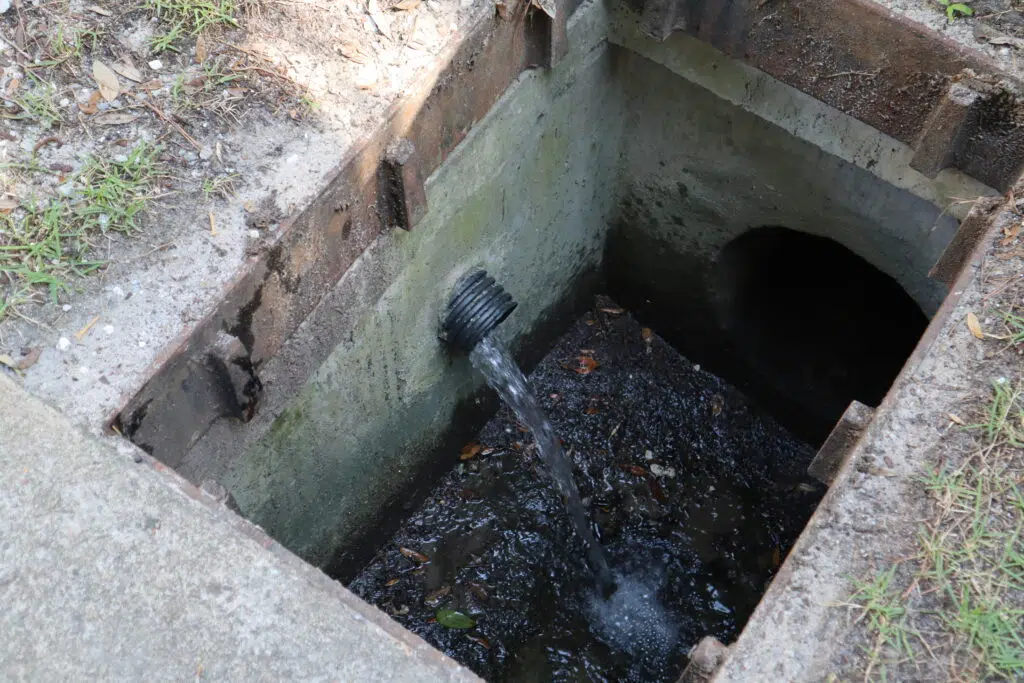
A few months ago, our team cleaned an outdoor drain line in Mount Pleasant by hydro jetting. The homeowner said the clog was suddenly retaining water after heavy rain, but when we arrived we found thick mud, debris, and months of buildup. This is one of the many examples of hydro jetting fully clearing out and restoring flow.
When to Call a Plumber Immediately
- Gurgling in toilets or tubs
- Water backing up in the lowest drain
- Multiple slow drains at once
- Recurring kitchen sink clogs
- Standing water that won’t drain
- Bad smells from drain
Rooter-Man SC – Fast, Professional Drain Cleaning Near You
Whether you’re dealing with a slow drain, a sudden backup, or a recurring clog, our team is equipped with:
- Professional drain snakes
- Camera inspection equipment
- Hydro jetting machines
- 20 years of local Charleston expertise
To help prevent future drain problems, be sure to read The Holiday Cooking Guide: What NOT to Put Down Your Drain This Season for practical tips on avoiding common causes of kitchen drain clogs.
If you’re in Charleston, Mount Pleasant, Summerville, Goose Creek, or anywhere in the Lowcountry, give us a call today! Rooter-Man has the plumbers who will get your drains flowing again—and keep them that way.