

You spot water collecting on a pipe under the sink or dripping in your crawlspace. In Charleston’s hot, humid climate, it’s easy to assume the worst: a leaking pipe. But sometimes, the pipe itself isn’t leaking at all.
Cold pipes can develop a layer of moisture when warm, humid air hits their cool surface, much like condensation forming on a cold glass of iced tea. The challenge is knowing when that moisture is harmless condensation and when it points to a hidden plumbing leak.
That distinction matters. Ignoring a leak can lead to water damage, mould growth and costly repairs, while treating normal condensation as a plumbing emergency can mean spending money you didn’t need. Before attempting DIY plumbing repairs, it’s important to identify whether you’re dealing with condensation or an actual leak.
Here’s how to tell what’s really happening, what causes sweating pipes, and when it’s time to call a professional.
Why Do Pipes Sweat?
What looks like a plumbing leak may sometimes be nothing more than moisture from the surrounding air. Pipe sweating occurs when warm, humid air comes into contact with a pipe carrying cold water. The temperature difference causes the air’s water vapour to condense on the pipe’s surface, creating tiny droplets that can eventually run or drip.
This is especially common during Charleston’s hot, humid months and in areas where the air isn’t consistently cooled or dehumidified, including:
- Crawlspaces
- Basements
- Garages
- Cabinets beneath kitchen and bathroom sinks
Condensation itself doesn’t mean your plumbing has failed. However, persistent moisture shouldn’t be ignored. If water continually collects beneath a sweating pipe, it can eventually damage nearby wood, drywall or flooring and create conditions that encourage mould growth.
How to Tell If You Have a Hidden Pipe Leak
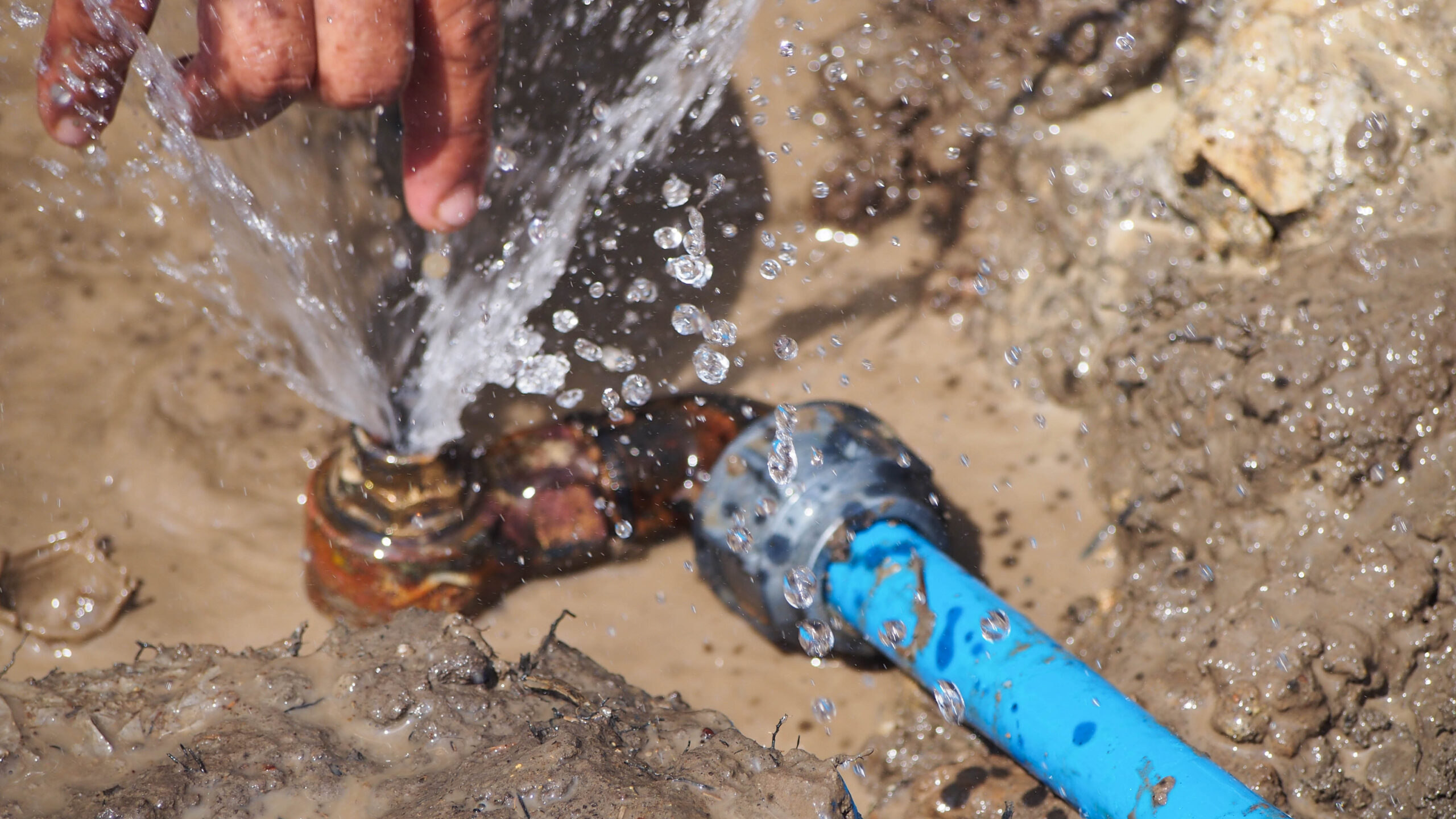
A leaking pipe is a different problem altogether. Instead of moisture forming on the outside surface, water is escaping from the plumbing itself. Small leaks can develop around joints, fittings, cracks or corrosion points and may remain unnoticed until they cause visible damage.
Look for these warning signs:
1. The Pipe Drips Even When No Water Is Running
Condensation is generally associated with cold water moving through a pipe and lowering its surface temperature. If you dry the pipe and it continues producing water when your faucets and fixtures haven’t been used, don’t assume it’s condensation. Persistent moisture may indicate an active leak.
2. Your Water Bill Suddenly Increases
Condensation doesn’t use water from your plumbing system, so it won’t cause your water consumption to rise. An unexplained increase in your water bill, particularly when your household usage hasn’t changed, can be a warning sign that water is escaping somewhere in the system.
3. You Notice a Concentrated Wet Spot or Water Damage
Condensation tends to form across the cooler surface of a pipe. A leak, however, may create moisture around a specific joint, fitting, crack or connection. Look for isolated puddles, discolouration, soft drywall, damp wood or water stains around the plumbing.
4. Your Water Pressure Has Dropped
A noticeable or unexplained reduction in water pressure can sometimes indicate a problem with your plumbing supply lines. If water is escaping through a leak before it reaches your fixtures, pressure may be affected.
Simple Ways to Check Whether a Pipe Is Leaking
Before assuming the worst, you can perform a couple of simple checks to determine whether the moisture is coming from condensation or an active plumbing leak.
Try the Paper Towel Test
A dry paper towel can help you identify where the moisture is coming from:
- Thoroughly dry the entire pipe and surrounding area.
- Wrap a fresh, dry paper towel around the joint, fitting or section where moisture appears.
- Avoid using the faucet or fixture connected to the pipe and wait 15 to 30 minutes.
- Check the towel. If it becomes wet while the plumbing hasn’t been used, the area may have an active leak. If it remains dry and moisture only returns after cold water runs through the pipe, condensation is more likely.
This test can help narrow down the source, but it isn’t a substitute for professional diagnosis if you’re still unsure.
Check Your Water Meter
Your water meter can provide another useful clue, particularly if you suspect a hidden leak:
- Turn off all faucets and water-using appliances and make sure no fixtures are running inside or outside the home.
- Record the meter reading or check the meter’s leak indicator, if available.
- Avoid using any water for a period of time.
- Check the meter again. If the reading changes despite no water use, or the leak indicator continues to move, you may have an active leak somewhere in the plumbing system.
If the meter indicates water usage but you cannot identify the source, it’s worth having a plumber inspect the system before a small leak develops into a larger water-damage problem.
How to Stop Pipes from Sweating
If your test shows that your pipes are just sweating rather than leaking, you can take a few straightforward steps to solve the issue:
- Add Pipe Insulation: Wrapping your cold water lines with foam pipe insulation sleeves is one of the easiest ways to stop condensation. The foam acts as a barrier, keeping warm, humid air from touching the cold pipe surface.
- Lower Indoor Humidity: Use a dehumidifier in damp areas like basements or crawlspaces to lower the moisture level in the air. The EPA recommends keeping indoor relative humidity below 60%, ideally between 30–50%, to prevent both condensation and mold growth.
- Improve Ventilation: Ensure your home has adequate airflow. Running exhaust fans in bathrooms and kitchens helps clear out heavy moisture before it settles on your plumbing.
Know the Difference Before a Small Plumbing Problem Gets Worse
A little moisture on a cold pipe isn’t always a reason to panic. In Charleston’s humid climate, condensation can be completely normal. But if water keeps appearing after the pipe is dry, your water bill rises unexpectedly, or you notice stains, pooling or other signs of water damage, don’t assume you’re dealing with harmless pipe sweating.
Simple checks can help you narrow down the cause, but persistent moisture or a suspected hidden leak deserves professional attention. An experienced plumber in Charleston can use specialised leak-detection equipment to pinpoint the source without unnecessary damage to your walls, floors or other parts of your home.
If you’re unsure whether your pipes are sweating or actually leaking, RooterMan SC can help identify the problem and provide the right residential plumbing solution before a minor issue turns into costly water damage.