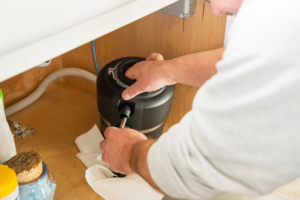


A plugged drain usually means water can’t move through the pipe the way it should, whether that shows up as slow drainage, standing water, or a complete stop. In many cases the cause is isolated to one fixture, like hair in a bathtub drain or grease in a kitchen sink. In other cases, it’s a sign of a bigger problem building further down the line. This guide walks through what a plugged drain typically means, what causes it, what you can safely check yourself, and when it’s time to call a plumber.
What Does It Mean When a Drain Is Plugged?
A plugged drain means something inside the pipe is blocking or slowing the normal flow of water. That blockage can sit close to the fixture, such as just below a sink stopper, or further down in the branch line or main drain.
The location and severity of the blockage determine how it behaves. A partial blockage often shows up as a slow drain. A full blockage stops water from moving at all, which can cause it to back up into the sink, tub, or shower.
Common Causes of a Plugged Drain
Several everyday materials can build up inside a drain line and eventually block it. Common causes include:
- Hair, especially in bathroom sinks, tubs, and showers
- Soap residue and other buildup that clings to pipe walls
- Food particles rinsed down a kitchen sink
- Grease, fats, and oils that cool and harden inside the pipe
- Foreign objects that fall into a drain
- Excess toilet paper or other material that shouldn’t enter the drainage system
- Buildup that accumulates deeper in the drain line over time
More than one of these can contribute to the same clog. A slow kitchen drain, for example, often involves both grease and food debris working together.
Slow Drain vs. Completely Plugged Drain
A slow drain still lets water through, just at a reduced rate. A completely plugged drain stops water from draining at all, or lets it back up instead.
A slow drain is often an early warning sign. If it’s ignored, buildup can continue to narrow the pipe until it becomes a complete blockage. Paying attention to a drain that’s just starting to slow down can sometimes prevent a full backup later.
Could One Plugged Drain Point to a Larger Plumbing Problem?
Not necessarily. Most plugged drains are isolated to a single fixture and caused by something local, like hair or grease. But a plugged drain can sometimes be one sign of a larger issue affecting a branch drain or the main sewer line.
A common question homeowners ask is whether this is just one clogged drain, or something bigger going on. The clearest way to tell is by checking whether the problem is limited to one fixture or shows up in more than one place at the same time.
What You Can Safely Check Before Calling a Plumber
Before assuming the worst, or assuming it’s nothing, a few simple observations can help clarify what’s going on:
- Note whether only one fixture is affected, or whether several drains are slow or backed up
- Pay attention to whether the drain is slow or completely stopped
- Run water in one fixture and watch whether it causes a reaction in another, such as water rising in a nearby drain
- Watch for a blockage that keeps coming back after it seems to clear
- Listen for gurgling sounds or notice any unusual odors coming from the drain
- Remove any obvious, easily accessible debris, such as hair caught in a stopper, only if it can be done safely
These observations won’t diagnose the exact cause, but they help you describe the problem clearly and decide how urgent it is.
What to Avoid When Dealing with a Plugged Drain
A few common reactions to a plugged drain can end up making things worse:
- Repeatedly pouring chemical drain cleaners into the same drain
- Mixing drain-cleaning chemicals with bleach or other household chemicals
- Continuing to run large amounts of water into a fixture that’s completely blocked
- Pushing tools deep into the pipe without knowing what’s actually causing the blockage
- Assuming a recurring clog is fixed for good just because water starts draining again
Are Chemical Drain Cleaners a Good Solution for a Plugged Drain?
Generally, no. Chemical drain cleaners can offer a temporary fix, but they don’t address buildup deeper in the line, and repeated or improper use carries real risk. The U.S. Consumer Product Safety Commission has documented that many drain cleaners contain highly corrosive ingredients capable of causing skin and eye injuries, and warns against mixing them with other household chemicals or bowl cleaners.
If a clog keeps coming back, that’s usually a sign the underlying blockage hasn’t actually been cleared, not a reason to reach for another bottle of chemical cleaner.
When Does a Plugged Drain Need Professional Drain Cleaning?
Professional drain cleaning is worth considering when a blockage doesn’t clear with simple, safe efforts, when it keeps returning, or when more than one fixture is affected. It’s also appropriate when a drain backs up instead of draining, or when gurgling, odors, or slow drainage show up in multiple places around the home.
None of these symptoms guarantee a specific diagnosis on their own. What they do indicate is that the problem is likely more than a simple, isolated clog, which is a good reason to have it evaluated rather than repeatedly treated at the surface.
What a Plumber May Inspect for a Recurring or Severe Blockage
When a blockage is recurring, severe, or affecting multiple fixtures, a plumber may evaluate:
- Where the blockage is actually located within the drain system
- Whether the issue is isolated to one fixture or part of a larger branch or main line problem
- Which drain-clearing method fits the location and nature of the blockage
- Whether recurring or widespread symptoms point to a larger plumbing or sewer-line issue
This kind of evaluation is what separates a real fix from a temporary one, especially for a clog that keeps coming back.
Preventing Future Drain Blockages
A few habits can reduce how often drains become plugged in the first place. Keeping grease, fats, oils, food debris, hair, and inappropriate materials out of drains when practical goes a long way, since fats, oils, and grease are among the most common causes of pipe blockages and sewer backups when poured down household drains, according to Clemson University’s Home & Garden Information Center. Drain screens or strainers can also help catch hair and food particles before they enter the pipe.
Beyond that, treating a recurring slow drain as worth investigating, rather than something to repeatedly clear and ignore, tends to prevent bigger problems down the road.
When Could Multiple Clogged or Slow Drains Point to a Sewer-Line Problem?
When several fixtures are slow, backing up, or gurgling around the same time, especially fixtures on different parts of the home, that pattern can suggest an issue with a shared branch drain or the main sewer line rather than a clog in a single pipe. This isn’t a certainty from symptoms alone, but it’s a strong reason to have a plumber evaluate the drain system rather than continuing to treat each fixture separately.
What to Do Next
A single slow or plugged drain is often something that clears on its own or with a safe, simple check. But a blockage that keeps returning, affects more than one fixture, or causes water to back up is worth having looked at by a professional.
If a plugged drain in your Charleston-area home won’t clear, keeps coming back, or seems to be affecting more than one fixture, Rooter Man Plumbing offers drain cleaning service throughout Greater Charleston. You can review our full range of plumbing services or contact us to schedule an evaluation.