

Your drain is backed up again. It was cleared six months ago, and here you are with the same slow gurgle and the same sinking feeling. The clog came back for a reason, and that reason usually comes down to which method was used to clear it the last time.
Hydro jetting and standard sewer cleaning both clear your line, but they do it differently and they leave your pipes in very different condition. Standard cabling punches through a clog. Hydro jetting scours the pipe clean.
Knowing which one your situation calls for is the difference between a fix that lasts and a problem that keeps returning. Rooter-Man SC uses both, and matching the method to the problem is the whole point.
What Is Standard Sewer Cleaning?
Standard sewer cleaning, often called cabling or snaking, sends a rotating steel cable down the line to break through a blockage. The cable bores a hole through the clog and gets water flowing again.
It is effective and fast for an immediate blockage. If a clog is stopping your drain today, cabling clears the path and restores flow. For many routine clogs, especially a single localized blockage, it is exactly the right tool and gets you back in service quickly.
The limitation is what it leaves behind. Cabling punches through the clog but does not clean the pipe walls. Grease, sludge, and buildup coating the inside of the pipe stay put, which means the same clog can reform in the same spot. Cabling clears the tunnel without clearing the walls of the tunnel.
What Does Hydro Jetting Do Differently?
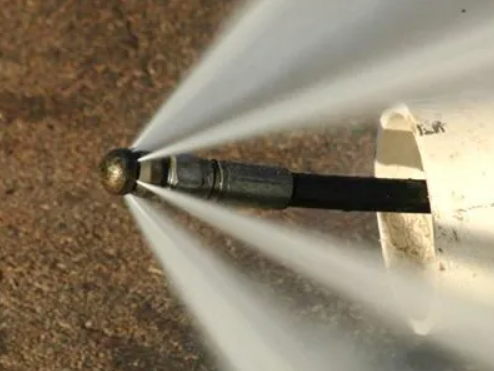
Hydro jetting uses a high-pressure stream of water to scour the entire inside of the pipe, not just punch through the clog. It blasts away grease, sludge, mineral buildup, and roots, leaving the pipe walls close to clean.
This is a fundamentally different result. Where cabling clears a path, jetting restores the pipe to something near its original diameter. The high-pressure water reaches the full circumference of the pipe, cutting through grease deposits and flushing debris completely out of the line rather than just boring through the center of it.
Because it removes the buildup that causes repeat clogs, jetting tends to keep a line clear far longer. For grease-heavy lines, recurring clogs, or pipes with root intrusion, it addresses the cause rather than the symptom. That is why it holds up when cabling keeps failing.
When Should You Choose One Over the Other?
Match the method to the problem: cabling for a simple immediate clog, jetting for buildup, grease, roots, or clogs that keep coming back. Each has situations where it is clearly the better call.
Cabling makes sense when:
- A single drain is clogged and you need it cleared now
- The blockage is localized rather than a whole-line issue
- You want a fast, targeted fix for an isolated problem
Hydro jetting makes sense when:
- Clogs keep returning in the same place
- The line is coated with grease or years of buildup
- Tree roots have worked their way into the pipe
- You want the line thoroughly cleaned, not just opened
- You are doing preventive maintenance to avoid future backups
A camera inspection often decides the question. Feeding a waterproof camera down the line shows exactly what is happening inside, whether it is a simple clog, heavy grease, or roots, so the right method gets used instead of guessing.
Why Does the Difference Matter for Your Wallet?
The difference matters because the cheaper method up front can cost you more over time. Repeated cabling on a line that really needs jetting means paying for the same clog again and again.
If your line has a buildup problem and you keep cabling it, you are treating the symptom on a loop. Each visit clears the immediate clog, the buildup reforms, and you call again in a few months. Jetting costs more in a single visit but addresses the underlying cause, which can mean far fewer callbacks and a longer stretch of trouble-free drains.
The reverse is true too. A simple one-time clog does not need the full jetting treatment, and a good provider will tell you so. The goal is matching the method to the actual condition of your pipe, which is why an honest assessment beats a one-size approach every time.
A clear sewer line is something you only think about when it fails. Understanding the difference between these two methods helps you choose the fix that actually solves your problem instead of postponing it.
Schedule a sewer cleaning assessment with Rooter-Man SC and get the method your line actually needs.