

For many North Charleston homeowners, a strong storm can quickly reveal plumbing problems that have been building beneath the surface. Slow drains, sewer odors, backed-up toilets, yard flooding, and water around floor drains can all become more noticeable after heavy rainfall. If these issues keep happening, it may be time to call a North Charleston plumber before a small warning sign turns into a bigger repair.
North Charleston homes face moisture, storms, older plumbing in some areas, and drainage challenges that can put extra pressure on pipes and sewer lines. Understanding how rain affects your plumbing can help you respond faster and protect your home with more confidence.
Quick Answer
Heavy rain can affect plumbing systems by overwhelming drains, pushing excess water toward sewer lines, increasing the risk of backups, exposing pipe damage, and causing water to collect near foundations or yard drains. If you notice slow drains, sewage smells, gurgling toilets, or water backing up after storms, a North Charleston plumber can inspect the issue and recommend the right next step. Acting early may help reduce damage and avoid repeated plumbing problems.
Why Heavy Rain Matters for North Charleston Plumbing Systems
Plumbing systems are designed to move wastewater safely away from the home. During heavy rain, nearby drainage systems, soil, sewer infrastructure, and outdoor drains may all experience extra pressure.
Charleston Water warns that sewer overflows can happen during heavy rainfall and advises people to avoid contact with affected areas and stormwater. South Carolina’s Department of Environmental Services also notes that the EPA estimates at least 40,000 sewer system overflows each year, and South Carolina has averaged almost 600 overflows per year over the last 10 years. For homeowners, this does not mean every storm will cause a plumbing emergency. It does mean heavy rain should be taken seriously when drains, toilets, sewer lines, or yard drainage start behaving differently.
How a North Charleston Plumber Can Help After Heavy Rain
A North Charleston plumber can help identify whether the issue is inside the home, outside the home, or connected to the main sewer line. Heavy rain can make existing plumbing problems easier to spot because added water pressure often exposes weak points.
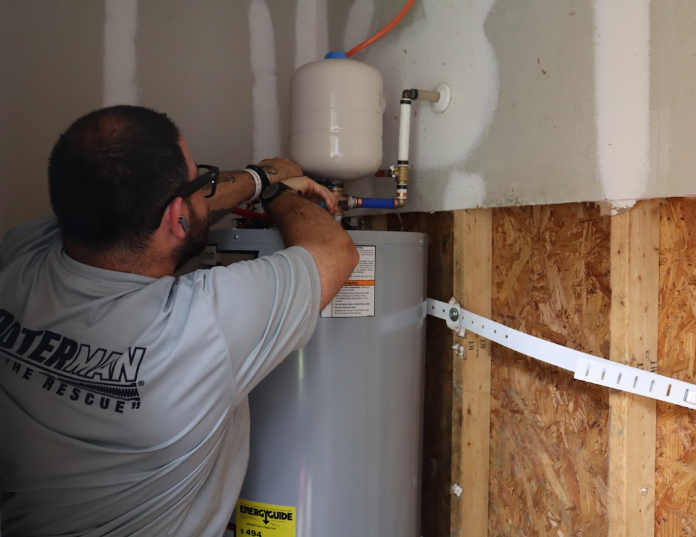
RooterMan SC provides plumbing services for residential and commercial properties throughout Charleston and surrounding areas, including North Charleston, Mount Pleasant, James Island, Johns Island, Goose Creek, West Ashley, Hollywood, and Summerville. The company also handles urgent plumbing requests, with monitored phone lines and technicians available for true emergencies on weekends and holidays.
That kind of local plumbing support can be helpful when storm-related symptoms need prompt attention.
Common Plumbing Problems Heavy Rain Can Trigger
Sewer Line Backups
A sewer backup is one of the most serious plumbing problems homeowners may notice after heavy rain. When too much water enters or surrounds sewer systems, wastewater may struggle to move away from the home properly.
Warning signs may include:
- Toilets bubbling or gurgling
- Wastewater backing up into tubs or floor drains
- Strong sewer odors inside or outside the home
- Multiple drains slowing down at the same time
- Wet spots or soft soil near sewer line areas
If sewage is involved, avoid contact with the affected area and call a professional promptly.
Slow Drains Throughout the Home
One slow sink may point to a local clog. Several slow drains after heavy rain may suggest a deeper issue, such as a main drain blockage, sewer line concern, or outside drainage problem.
Heavy rain can move debris, soil, roots, and buildup in ways that make weak drainage points more noticeable. If the same drain issues return after every storm, the plumbing system should be checked.
Yard Drain and Outdoor Drain Problems
Yard drains, driveway drains, and exterior drainage areas can collect leaves, dirt, mulch, and debris. During heavy rainfall, blocked outdoor drains may cause water to pool around the home.
Standing water near the foundation can increase moisture concerns and may also make plumbing access areas harder to inspect. Keeping outdoor drains clear can reduce pressure around the home during storm season.
Pipe Leaks and Hidden Weak Spots
Heavy rain does not directly cause every leak, but it can make existing weak spots easier to notice. Damp areas, water stains, musty smells, or sudden moisture near walls and floors may appear after repeated storms.
Older pipes, worn seals, shifting soil, and previous repairs can all become more vulnerable when the surrounding ground stays wet.
What Homeowners Should Check After Heavy Rain
After a heavy storm, a quick walkthrough can help you catch early warning signs. You do not need to take apart plumbing or handle unsafe water.
Check these areas:
- Toilets for bubbling, slow flushing, or water level changes
- Sinks, tubs, and showers for slow drainage
- Floor drains for water or odors
- Laundry areas for backup signs
- Yard drains and driveway drains for blockage
- Areas near the foundation for standing water
- Cabinets under sinks for moisture
- Walls, ceilings, and floors for fresh stains
If you see sewage, strong odors, or active backup, avoid the area and call a plumber.
Rain Plumbing Response Checklist
A calm response can help reduce damage and make the problem easier to explain when you call for help.
- Stop using affected fixtures.
If drains or toilets are backing up, avoid running more water into the system. - Avoid contact with sewage or stormwater.
Contaminated water can carry health risks, so keep children and pets away from affected areas. - Document what you see.
Take photos of water levels, backup locations, stains, or outdoor pooling. - Check whether multiple fixtures are affected.
Multiple slow drains can point to a larger issue than one clogged sink. - Call a local plumber.
A professional can inspect the issue and determine whether the concern involves a drain, sewer line, fixture, or outdoor drainage condition. - Ask about prevention.
Once the urgent issue is handled, ask what can reduce the chance of the problem returning during the next storm.
How to Reduce Storm-Related Plumbing Problems
Some plumbing issues cannot be fully prevented, especially during extreme weather. Still, regular maintenance and early repairs can lower risk.
Helpful steps include:
- Schedule drain cleaning if clogs keep returning
- Keep yard drains clear of leaves and debris
- Fix slow drains before storm season
- Inspect exposed pipes for leaks
- Avoid flushing wipes, grease, or paper products not designed for toilets
- Watch for recurring sewer odors
- Ask a plumber about main line inspection if backups repeat
- Make sure downspouts direct water away from the home
Routine attention can help homeowners avoid waiting until the next heavy rain exposes the same problem again.
Common Mistakes to Avoid After a Storm
Heavy rain can make homeowners feel rushed, but some quick fixes may create more problems.
Avoid these mistakes:
- Ignoring gurgling toilets after storms
- Using chemical drain cleaners repeatedly
- Running more water when drains are backing up
- Touching sewage-contaminated water
- Assuming outdoor flooding is only a landscaping issue
- Waiting until several rooms are affected
- Forgetting to check floor drains and laundry drains
- Treating recurring backups as one-time clogs
If the same plumbing symptom appears after more than one storm, it is usually worth investigating.
Keep Your Plumbing Ready Before the Next Storm
Heavy rain can reveal plumbing issues that were easy to miss on dry days. Slow drains, sewer smells, gurgling toilets, yard flooding, and backups should all be taken seriously, especially when they happen more than once.
If your home is showing storm-related plumbing warning signs, contact RooterMan SC to speak with a local plumbing team and schedule service with a trusted North Charleston plumber before the next heavy rain creates a bigger problem.