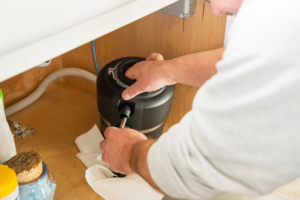


A drain that clogs every few weeks, a damp spot under a cabinet, or a shower that runs lukewarm for no clear reason all point to something worth checking. Charleston plumbers handle these problems by finding the cause behind the symptom, not just clearing what is visible. Some signs can wait for a convenient appointment, while others call for prompt attention.
This guide explains what residential plumbing professionals typically work on, how to tell routine problems from urgent ones, what you can safely observe beforehand, and how to choose a provider. For broader background, see our overview of residential plumbing services.
What Do Charleston Plumbers Help Homeowners With?
Residential plumbing covers the pipes that bring water in, the drains and sewer lines that carry it out, and the fixtures and appliances in between. Most calls fall into three areas.
Drain and Sewer Problems
A single slow sink is often a local clog. When several fixtures drain slowly, gurgle, or back up around the same time, the cause may be farther along in the drain system or in the sewer line. A toilet that keeps clogging despite plunging, or a floor drain that backs up when you run the washing machine, points the same way.
Several issues can produce these symptoms, including buildup inside the pipe, a blockage deeper in the line, or damage to the pipe itself. A plumber may need to determine which. Professional drain cleaning is one option when buildup keeps returning, while a recurring problem across multiple fixtures may call for a closer look at the sewer line.
Leaks and Water Line Problems
Leaks are not always visible. Stained ceilings, warped cabinet floors, a musty smell, or the sound of running water when everything is off can all indicate one. A water bill that rises without a change in how you use water is another clue.
Where a leak starts matters as much as whether it exists. Water can travel along framing before it shows up, so the visible spot is not always the source. Locating the origin is the purpose of leak detection and repair.
Water Heater Problems
Inconsistent hot water, water that runs out quickly, or a heater that makes unusual noises can have more than one explanation. The issue could be a failing component, sediment inside a tank, or a unit nearing the end of its useful life.
A plumber can inspect the heater, explain what is failing, and discuss whether repair or replacement makes more sense. Rooter Man Plumbing offers water heater installation and repair for homes in the area.
When Should You Call a Plumber?
A useful way to decide is to sort what you are seeing into three groups.
Worth watching. A single slow drain, an occasional drip from a faucet, or a one-time clog that clears completely can often be monitored. Note whether it comes back.
Worth scheduling. Contact a plumber when a problem repeats or spreads. Examples include:
- Drains that clog again within days or weeks
- Several slow drains at once
- Toilets that repeatedly clog or run on their own
- A steady rise in your water use or bill with no explanation
- Hot water that fluctuates or runs out unusually fast
- Water pressure that drops or changes noticeably
- Repeated repairs on the same older piping
Potentially urgent. Some situations should not wait:
- Wastewater backing up into tubs, showers, or floor drains
- A strong sewage odor indoors
- Water spreading from a burst or fast-leaking pipe
- Signs of water near electrical outlets or appliances
- A gas smell near a gas-fired water heater
If you can safely reach it, shutting off the main water valve limits damage from a fast leak. For a gas odor, leave the building and contact your gas utility or emergency services first. Avoid contact with sewage, which can carry contaminants.
What Should You Check Before Scheduling Plumbing Service?
A few safe observations make the first conversation with a plumber more productive. None of them require tools or taking anything apart.
- Note which fixtures are affected, and whether it is one or several.
- Notice where water appears, and whether it shows up only when certain fixtures run.
- Write down when the symptoms started and whether they come and go.
- Check whether the problem affects only hot water, only cold, or both.
- Take photos of stains, damp areas, or the water heater’s label.
For suspected leaks, the EPA’s Fix a Leak Week guidance describes simple checks. One is reading your water meter before and after a two-hour period when no water is used, since any change suggests a leak. Another is adding food coloring to a toilet tank to see whether color reaches the bowl without flushing. These checks help confirm whether a leak exists, but they do not locate hidden ones.
Skip chemical drain products and avoid opening pipes, working on a gas water heater, or forcing a stubborn blockage. These can make a problem worse or create safety risks.
What Happens During a Professional Plumbing Evaluation?
Specific procedures vary by company and situation, but a typical evaluation follows a logical order. The plumber asks about the symptoms and their timeline, which is why your notes help. They then inspect the affected fixtures and accessible piping, looking for the likely source.
From there, the plumber can explain what they found, what may be causing it, and what options exist. Some problems have a straightforward fix. Others may require further investigation before the cause is clear. A good evaluation ends with an explanation you understand, so you can decide how to proceed.
How Can Homeowners Reduce Unexpected Plumbing Problems?
Most plumbing failures give some warning first, so attention to small changes is the most effective habit. Pay attention to drains that slow down, fixtures that drip, and spots that stay damp. Catching a leak early limits the water damage that follows.
Some sensible habits help:
- Keep grease, wipes, and other non-flushable items out of drains and toilets.
- Know where your main water shutoff is and confirm it turns.
- Check under sinks and around the water heater occasionally for moisture.
- Look at your water bill for unexplained jumps.
The EPA notes that common household leaks, such as worn toilet flappers and dripping faucets, are often simple to correct, and fixing them can reduce water waste. Maintenance does not prevent every failure, especially in aging systems, but it makes surprises less likely.
What Should You Look for in Charleston Plumbing Services?
Choosing a provider is easier with clear criteria. Look for a company that:
- Offers the services your problem involves, such as drain, leak, or water heater work
- Is properly licensed and insured, which you can ask about directly
- Explains the cause and your options in plain language
- Provides clear information about scope and cost before work begins
- Has hours and availability that fit your situation
Ask questions before you commit. A reliable provider welcomes them.
Plumbing Service in Greater Charleston
Rooter Man Plumbing has provided residential and commercial plumbing throughout Greater Charleston since April 2006. The office is at 2013 Bees Ferry Road in Charleston and is open Monday through Saturday, 8:00 a.m. to 5:00 p.m.
If you are dealing with a recurring clog, a suspected leak, or inconsistent hot water, you can contact Rooter Man Plumbing to describe what you are seeing and discuss the right service. You can also reach the team at (843) 402-7799.