

Summer in Charleston does a number on plumbing. More people home, more showers, more loads of laundry, more guests, and a water table that climbs every time an afternoon storm rolls through. The phones at local plumbers start ringing for the same handful of reasons every year.
Here is what tends to go wrong once the heat sets in, and why these problems cluster in the warmer months.
Why do drains clog more in summer?
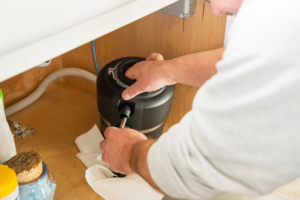
More bodies in the house means more going down the drain. Kids home from school, visitors staying over, cookouts every weekend. Kitchen sinks take the worst of it when grease from burgers, fryer oil, and corn cobs cools and hardens inside the pipe.
Showers get hit too. Beach sand, extra hair, and lotion residue build up over a few weeks. A drain that ran fine in March starts gurgling by July. That gurgle is usually the first call.
What about sewer line backups?
Charleston storms are the culprit here. When heavy rain saturates the ground, water seeps into older sewer lines through small cracks and joints, and tree roots that chase that moisture make it worse. The line ends up with more than it can carry, and it backs up into the lowest drain in the house.
Watch for two fixtures acting up at once. A toilet that bubbles when the washer drains, for instance, points past a simple clog to the main line. That is the kind of thing local plumbers want to look at quickly, before a slow backup turns into a flooded bathroom floor.
Do water heaters really fail more in summer?
They fail year round, but summer exposes the weak ones. Your incoming water is warmer, the tank works differently, and any sediment sitting at the bottom starts making noise. A popping or rumbling water heater is sediment cooking against the metal, and it quietly shortens the life of the tank.
A lot of homeowners notice it during a house full of guests, when three back to back showers run the tank dry. That sudden cold rinse is often the moment someone finally picks up the phone.
What summer problems surprise people the most?
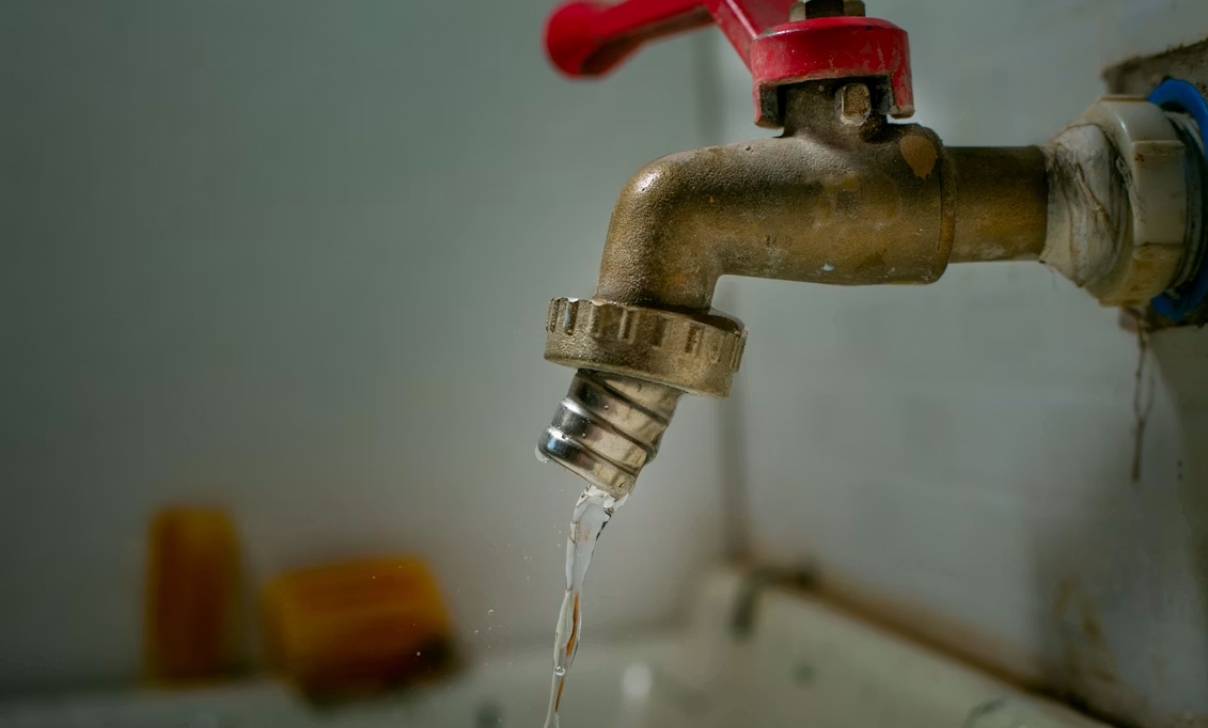
Outdoor and irrigation issues, usually. A hose bib that drips, a sprinkler line that cracked over winter and only shows itself when you run it hard in June, a pressure drop nobody noticed until the garden needed daily watering.
Then there is the washing machine. Summer is peak laundry season, all towels and swimsuits and sandy clothes, and an old supply hose or a clogged drain line tends to give out the busiest week of the year. Plumbers in the area see a clear bump in laundry room calls once pool season starts.
What is that water pooling near the indoor AC unit?
A clogged condensate drain, nine times out of ten. Your air conditioner pulls a surprising amount of moisture out of Charleston’s humid air, and that water drains away through a narrow PVC line. Algae and gunk love that damp, dark pipe, and by midsummer it can plug up completely.
When it backs up, the water has nowhere to go but onto the floor, the ceiling below, or into a safety pan that overflows. People assume it is a roof leak or an AC problem and are surprised a plumber can clear the line in short order. Catching it early saves you a water-stained ceiling.
How do you get ahead of it?
A little attention goes a long way. Keep grease out of the kitchen drain, even small amounts. Rinse beach gear outside instead of in the shower when you can. If your water heater is making noise or your drains are slow, deal with it in June rather than waiting for the holiday weekend when the whole family is in town.
A quick visit now is cheaper than an emergency later, and most summer plumbing headaches give you warning signs first. The trick is not ignoring them. A slow drain rarely fixes itself, and a noisy water heater is not going to get quieter. If recurring drain clogs are becoming a problem, learn more about Why Water Jetting May Be the Right Choice for Stubborn Drain Blockages to see when a more thorough cleaning solution makes sense.
Noticing slow drains, a rumbling water heater, or a backup as the heat ramps up? Schedule a visit with Rooter-Man SC and get it sorted before it turns into a mess.