

A slab leak is a leak in a water supply line that runs beneath or inside a home’s concrete slab foundation. Slab leak repair begins with confirming where the water is actually coming from, because several other problems can look the same from the surface. Unexplained water use, a damp or warm patch of floor, or the sound of running water when nothing is on can all justify a closer look. None of them proves a slab leak by itself. This guide covers which signs are worth investigating, how a plumber narrows down the source, what repair approaches may be considered, and when to contact a plumber.
What Is a Slab Leak?
A slab leak is a leak in a pressurized water supply line, either hot or cold, that is located under or within the concrete slab of a home. These are the lines that bring water to your fixtures, so they hold pressure all day.
That makes them different from drain or sewer problems. Drain lines carry wastewater away, and trouble there usually shows up as slow drains, backups, or odors when water is used. A supply leak can keep losing water even when no one is home. If you are seeing backups or smells rather than unexplained water use, you are likely dealing with a different type of problem.
Not every home has a slab foundation, and a leak in a home with a slab is not automatically a slab leak. Many leaks start in accessible places, such as under sinks, at appliance connections, or in walls.
Warning Signs That May Justify an Investigation
Several observations can point toward a hidden supply leak. Each one has other possible explanations, so treat them as reasons to look further rather than conclusions.
- Unexplained water use or a higher bill. Usage that climbs without a change in household habits can suggest water is escaping somewhere.
- A meter that moves when everything is off. A moving meter indicates water is passing through your service, but not where it is going.
- Damp or discolored flooring. Moisture on or around a floor may come from a plumbing leak, but also from other sources.
- A warm or hot spot on the floor. Where a hot water line runs below, a leak may sometimes warm the surface above it. Other heat sources can do the same.
- The sound of running or hissing water when fixtures and appliances are off.
- A change in water pressure. This may point to a leak, but pressure changes have many causes.
- Visible moisture along baseboards, at wall bases, or on flooring edges.
Can Something Other Than a Slab Leak Cause These Signs?
Yes. Many ordinary problems can mimic a slab leak, which is why evidence matters before anyone discusses repair.
A running toilet or worn flapper is one of the most common culprits behind unexplained water use. EPA’s WaterSense program notes that worn toilet flappers, dripping faucets, and leaking valves are common household leaks, and it describes a simple dye test for toilets. Other possibilities include a leaking irrigation line, an outdoor spigot, a water heater connection, an appliance supply line, or a leak inside a wall. Moisture on a floor can also come from condensation, a plumbing fixture above, or water entering from outside the home.
Because so many sources are possible, “I have a wet spot” and “I have a slab leak” are very different statements. The goal of an evaluation is to move from the first to a confirmed answer.
What You Can Safely Do While Waiting for an Evaluation
A few low-risk observations can make a plumber’s job faster and help you avoid guesswork.
- Check the meter. EPA suggests reading your water meter, waiting about two hours with no water in use, and reading it again. A change suggests a leak somewhere on the property. You can read more in EPA’s Fix a Leak Week guidance on checking for household leaks. Ice makers, irrigation timers, and other automatic water users can affect the test, so note anything that might have run.
- Rule out toilets. EPA describes adding a few drops of food coloring to the tank, waiting about ten minutes, and checking whether color appears in the bowl.
- Write down what you notice. Note the date, the location of any damp or warm area, any sounds, and meter readings. Take photos from a safe distance.
- Find your main shutoff valve. Knowing where it is, and that you can reach it safely, helps if water becomes active.
Equally important is what not to do. Do not cut, drill, or break into flooring or the slab to look for a pipe. Do not try to pressure-test lines yourself. Stay away from standing water near outlets, appliances, or electrical panels, and have the situation assessed before using anything that could be affected. Opening a floor on a guess can cause expensive damage without finding the leak.
How a Plumber Narrows Down the Source
A plumber typically works from the broad question to the specific one: is water being lost, is it a supply line, and where is it?
That often starts with a conversation about what you have noticed and a review of usage and the visible signs. From there, an evaluation may involve confirming that the loss is on the supply side and isolating which part of the system is affected. Locating the leak itself may use tools that detect sound, heat, or pressure behavior. The methods vary by situation, and by contractor.
Rooter Man Plumbing offers leak detection and repair for hidden and visible leaks. Because every home and situation is different, the specific approach is something to talk through during the evaluation, not something to assume in advance. It is reasonable to ask what the plumber will check, what the findings will and will not establish, and whether the location can be narrowed before any floor is opened.
Slab Leak Repair Options and What Influences the Choice
The right repair depends on what the investigation finds, not on the symptom that started it. Plumbers and contractors generally weigh a few factors:
- Where the leak is, and how deeply the line is located.
- The type and condition of the pipe. An isolated failure in an otherwise sound line is a different situation from a line showing wear along its length.
- Whether there is one problem or several.
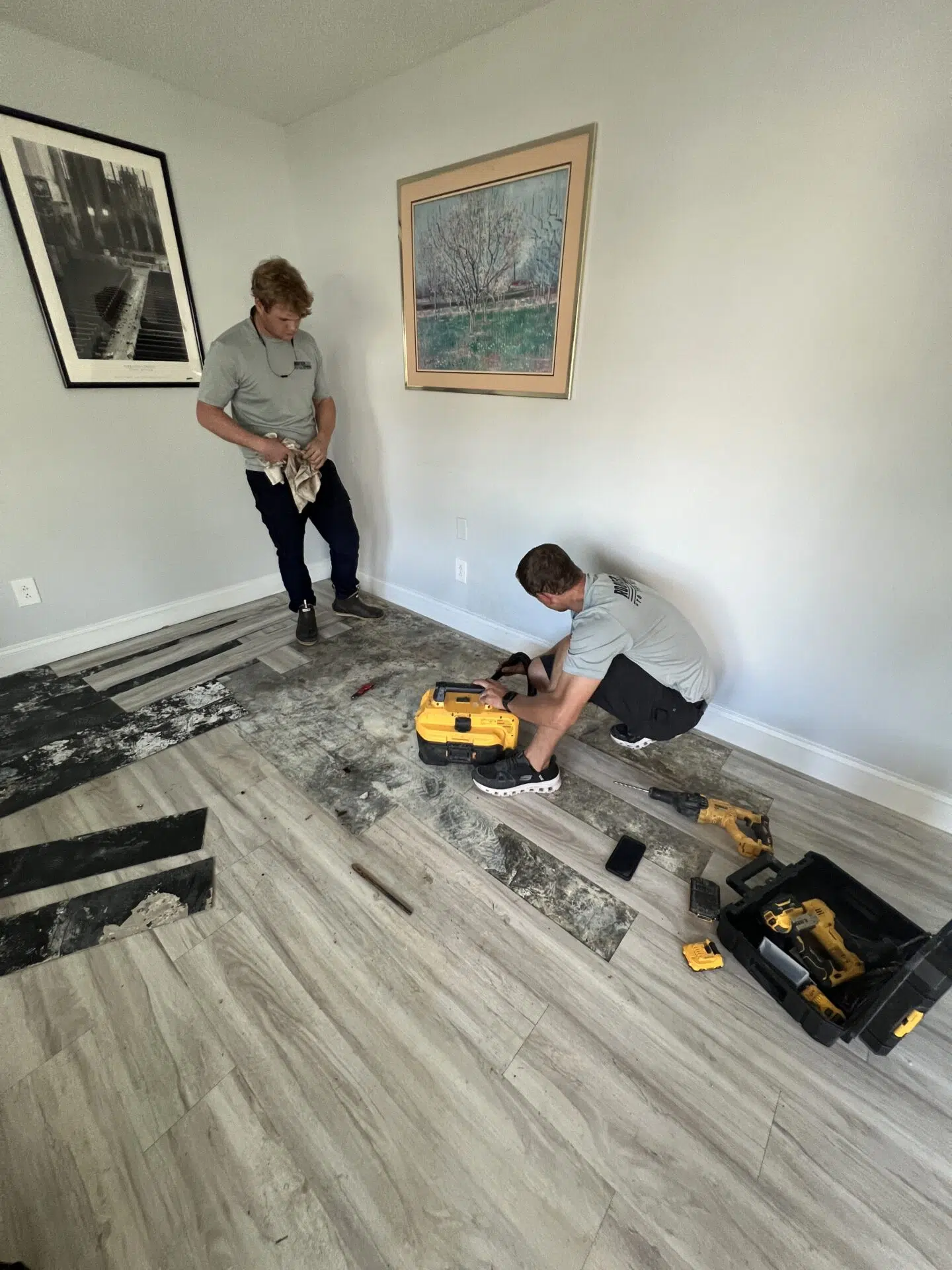
- Access. What sits above the pipe, such as flooring, cabinetry, or finished walls, affects how disruptive a repair may be.
- Whether the line serves the whole home or only a portion of it.
In general terms, options that may be discussed include repairing the damaged section directly, replacing or rerouting a portion of the line, or, when problems are widespread or recurring, considering repiping. If the leak is on a line outside the home, water line repair may be the more relevant discussion. Not every contractor offers every method, and not every method suits every situation, so ask which options apply to your home and why a particular one is being recommended.
When Active Leakage May Call for a Faster Response
Most suspected slab leaks are a prompt-attention issue, not a crisis. The picture changes when water is actively and visibly escaping, spreading across floors, or reaching an area where it creates a hazard, such as near electrical equipment. In that case, shutting off the main water supply, if you can do so safely, and calling for help quickly makes sense.
Rooter Man Plumbing offers emergency plumbing service with 24/7 availability, and after-hours calls may carry an additional fee. Response times depend on the situation, so it is worth asking when you call.
Questions to Ask Before You Approve Work
Whether you are speaking with Rooter Man Plumbing or another company, a few questions help keep the process grounded in evidence.
- How will you confirm the leak is on a supply line, and how will you locate it?
- What did you find, and what could still be uncertain?
- What repair options apply to my home, and what drives the recommendation?
- How much of the floor or finish might be affected?
- What will the estimate include, and what might change it?
The Next Step if You Suspect a Slab Leak
If you have noticed unexplained water use, a meter that keeps moving, a damp or warm floor, or sounds of water with everything off, a professional evaluation is the sensible way to find out what is happening before anyone opens a floor. Gather your notes and meter readings, then contact Rooter Man Plumbing to describe what you are seeing and request an evaluation.