

When Sarah and her family found their dream home in historic Summerville, they fell in love with its character, the original details, mature trees, and the charm that only an older property can offer. The home looked move-in ready, but during the inspection, one important concern came up: the plumbing system had not been updated in decades.
A closer evaluation revealed aging pipes, signs of wear, and potential repairs that could have turned into unexpected expenses after closing. By identifying these issues before finalizing the purchase, the buyers were able to make informed decisions and plan ahead.
Older homes often offer unmatched charm, but their plumbing systems may require extra attention due to years of use. A thorough plumbing inspection checklist can help you understand the condition of the pipes, fixtures, and water systems before you commit, helping you avoid costly surprises and move into your new home with confidence.
Quick Answer
Prior to purchasing an old house in Summerville, it is recommended that you analyze in order to determine the condition of the visible plumbing, water pressure, drainage system, toilets, water heater, water lines, and sewage system. Some things to watch out for include any indication of leakage, corrosion, frequent blockages, water damage, and past repairs made on them. In addition, you must also ask how old the plumbing fixtures in the house are and if they were already replaced or repiped.
Plumbing Inspection Checklist for Buying an Older Home
Aging plumbing needs special consideration owing to the possibility of aging of the structure affecting everything from the supply lines to the drainage system as well as the equipment used for heating the water. According to the National Association of Home Builders, 48% of the United States’ owner-occupied homes were constructed prior to 1980, while the median age of the owner-occupied home was 41 years in 2023.
This makes the plumbing checklist particularly relevant when evaluating an aging property.
1. Inspect Exposed Pipes
Inspect the pipes under the sinks, near the water heater and other utilities where pipes can be easily inspected.
- Check for signs of rust, wear, or accumulation of minerals.
- Inspect for signs of temporary fixes or pipe mismatch.
- Find out when the visible plumbing was last replaced.
2. Inspect Water Pressure
Open many faucets and showers instead of just one fixture to test its pressure.
Low water pressure throughout the house suggests there is something wrong with the supply line and other plumbing fixtures. A single weak fixture could have a more localized cause.
3. Check for Hidden Leaks
Look beneath sinks, around toilets, near the water heater, and along visible pipe connections.
Pay attention to:
- Water stains
- Damp cabinets
- Musty smells
- Peeling paint
- Discolored flooring
- Warped wood
4. Test Every Drain and Toilet
It should be kept in mind that a bathroom and kitchen can be clean on the surface, but not functioning properly. Turn the taps and flush every toilet.
Keep in mind that if the drains are slow, there is noise, standing water or backups, this can indicate an underlying issue within the system, rather than a simple blockage.
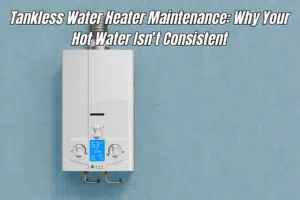
5. Examine the Water Heater
Find out the water heater’s age and check its general condition.
Look for:
- Rust around the tank
- Water beneath the unit
- Unusual noises
- Inconsistent hot water
- Corroded connections
A plumber’s work scope commonly includes water-heating equipment, fixtures, faucets, toilets, sinks, tubs, showers, and the drain, waste, and vent system.
6. Investigate the Sewer Line
Sewer problems can prove very disruptive once you have moved to your new place. Make sure that the sewer line has not been repaired before.
A history of backups, bad smell, drain problems, and any unusual damp spots can become a reason to inquire more.
7. Ask About Previous Repairs Done on Plumbing
Never depend only on what you see during your walkthrough. Inquire about:
- Previous leaks
- Drain cleaning
- Sewer repairs
- Water line replacement
- Repiping
- Water heater replacement
- Recurring plumbing problems
A detailed history can reveal patterns that aren’t obvious during a short visit.
Common Plumbing Upgrades Older Homes Often Require
The right repair depends on the home’s plumbing condition, the location of the problem, and whether the issue is isolated or systemic. Possible services may include:
- Leak detection and repair for visible or hidden leaks
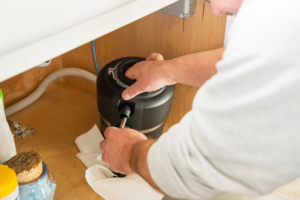
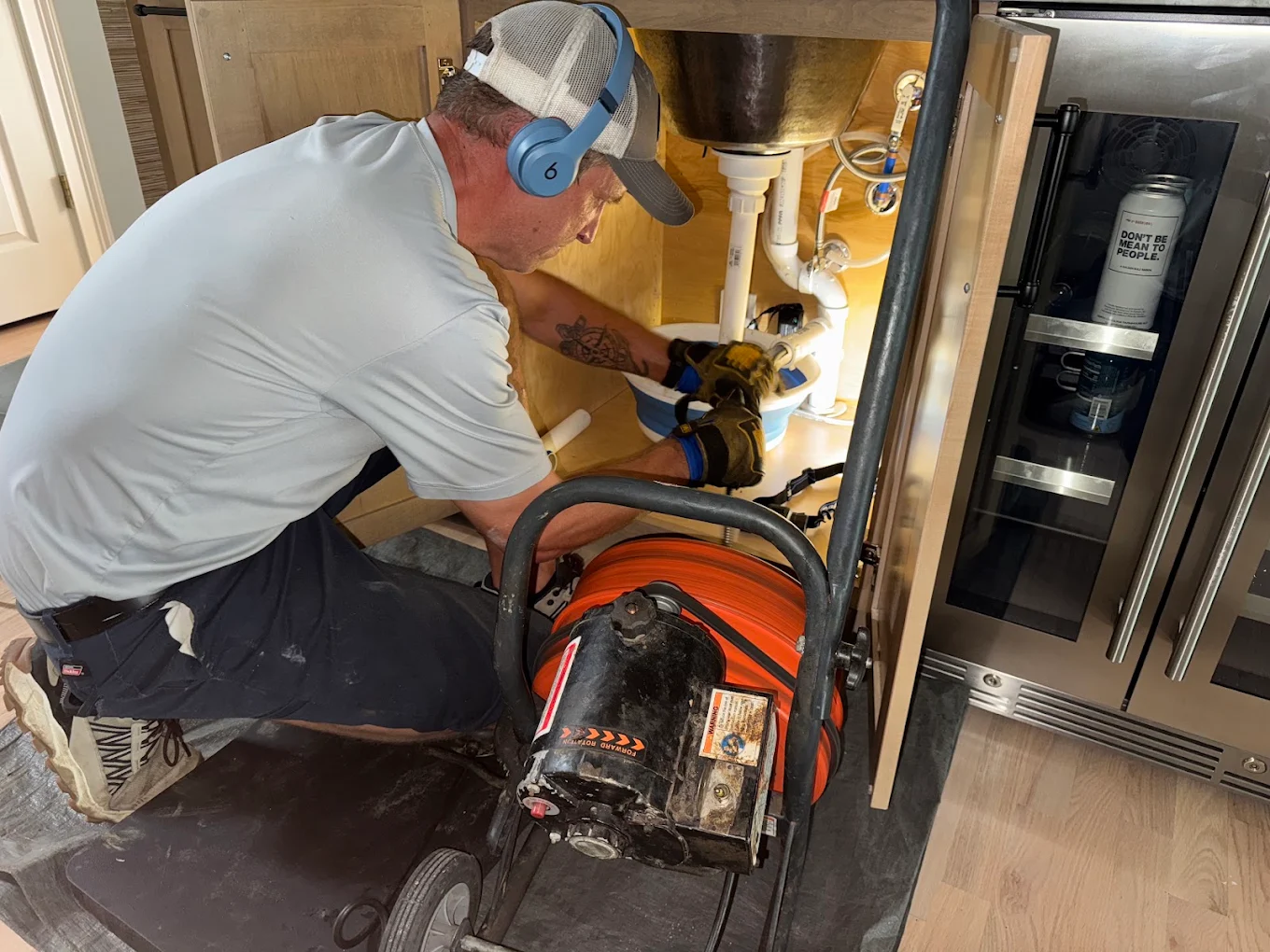
- Drain cleaning for accumulated debris and recurring clogs
- Drain snaking for stubborn blockages deeper in a drain line
- Hydro jetting for heavy buildup when appropriate
- Water line repair for damaged or deteriorated supply lines
- Sewer repair or replacement when underground lines are damaged
- Repiping when aging pipes have widespread deterioration
The sink in the kitchen may drain slowly, and the buyer would think it is because of dirty plumbing that could be cleaned easily. But when several other sinks on the property drain slowly as well, then this problem could be larger than just a cleaning job. A trusted plumber Summerville SC would help determine this.
Make Plumbing Part of Your Closing Checklist
Buying an older home is about more than falling in love with its character and charm, it is also about understanding what is happening behind the walls. A detailed plumbing inspection can reveal the condition of essential systems, including pipes, fixtures, drainage, water heaters, and sewer lines, helping you plan for any repairs or upgrades before they become unexpected expenses.
A thorough plumbing inspection checklist gives you the confidence to ask the right questions and make a more informed decision before finalizing your purchase. If you are buying an older home in Summerville, Rooter Man SC can help assess the condition of your plumbing system before closing. With over 20 years of local experience and licensed, insured technicians, their team provides reliable inspections and expert guidance to help protect your investment.