



One slow drain can be annoying. Multiple slow drains can be a warning sign.
If your sink, shower, tub, toilet, or laundry drain all start slowing down around the same time, the problem may be deeper than a simple clog. It could point to a main drain issue, sewer line blockage, venting problem, or buildup that needs professional attention. In that situation, calling local plumbers can help you find the real cause before wastewater backs up into your home.
For Charleston homeowners, slow drainage should not be ignored, especially when more than one fixture is involved. A quick response can help protect your plumbing system, reduce mess, and prevent the same issue from returning.
Quick Answer
When multiple fixtures start draining slowly, homeowners should stop using affected drains, check whether the issue is happening in more than one room, avoid chemical drain cleaners, and call local plumbers if the problem continues or gets worse. Multiple slow drains may point to a main line clog, sewer issue, blocked vent, or deep buildup. A professional plumber can inspect the system and recommend the safest next step.
Why Multiple Slow Drains Matter
A single slow bathroom sink may be caused by hair, soap buildup, toothpaste residue, or a small object near the drain opening. Multiple slow drains are different because they may show that wastewater is not moving properly through a larger part of the plumbing system.
The U.S. Environmental Protection Agency warns that if sewage from plumbing fixtures or an onsite system backs up into a home, homeowners should avoid contact because it may contain harmful pathogens. That is why slow drainage should be taken seriously before it becomes a backup.
Slow drains are not always an emergency, but repeated or whole-home drainage problems deserve attention.
How Local Plumbers Can Help Identify the Problem
Local plumbers can help determine whether the issue is near one fixture, inside a branch drain, or deeper in the main sewer line. This matters because different problems require different tools and repairs.
RooterMan SC provides plumbing services for residential and commercial properties throughout Charleston and nearby areas, including North Charleston, Mount Pleasant, James Island, Johns Island, Goose Creek, West Ashley, Hollywood, and Summerville. The company also lists drain clog cleaning as a common service and notes that its plumbers use modern tools to clear tough clogs while protecting piping. For homeowners, this means the goal is not just to make water move again for one day. The goal is to understand why several fixtures are draining slowly and what can help stop the problem from repeating.
Common Reasons Multiple Fixtures Drain Slowly
A main drain line blockage can slow down several fixtures at the same time because wastewater from sinks, tubs, toilets, and laundry areas all moves through the same larger drainage path before leaving the home.
Main Drain Line Blockage
When several drains slow down at the same time, the main drain line may be partially blocked. This line carries wastewater from multiple fixtures out of the home.
A blockage can form from grease, wipes, hair, soap buildup, food particles, or other debris. If the blockage gets worse, wastewater may start backing up into tubs, showers, toilets, or floor drains.
Sewer Line Problems
A sewer line issue can affect the whole home. Tree roots, older pipes, soil movement, pipe damage, or heavy buildup can restrict flow.
Warning signs may include gurgling toilets, sewer odors, wet areas in the yard, or wastewater backing up from the lowest drain in the home. If these signs appear, the issue should be inspected quickly.
Blocked Plumbing Vent
Plumbing vents help air move through the drain system. If a vent is blocked, water may drain slowly because the system cannot balance air pressure properly.
A blocked vent may also cause gurgling sounds, bubbling toilets, or strange drain behavior. This is not something most homeowners should try to diagnose from the roof.
Grease and Soap Buildup
Kitchen grease and bathroom soap residue can build up inside pipes over time. The buildup may start small but eventually narrow the pipe enough to slow drainage.
Even if water still drains, the pipe may not be clearing properly. This can lead to repeat clogs and unpleasant odors.
Slow Drain Warning Signs Homeowners Should Watch
Multiple slow drains can point to a deeper plumbing issue, especially when the same symptoms keep coming back. Homeowners should watch for these warning signs:
- Multiple drains slow at once
- Toilet gurgles when the sink drains
- Water backs up in the tub
- Sewer smell indoors
- The lowest drain backs up first
- Slow drains return after cleaning
- Wet or sunken areas appear in the yard
What to Check Before Calling a Plumber
A few simple checks can help you explain the issue clearly. Do not open pipes, handle sewage, or use unsafe tools.
Check these details:
- Which fixtures are draining slowly
- Whether the problem is in one room or several rooms
- Whether toilets are gurgling
- Whether water backs up into tubs or showers
- Whether there is a sewer smell
- Whether the issue started after heavy rain
- Whether drains improved and then slowed again
- Whether any wipes, grease, or food waste may have gone down the drain
This information can help the plumbing team understand whether the issue sounds isolated or system-wide.
What Homeowners Should Do First
If several fixtures are draining slowly, take a careful approach. The wrong quick fix can make the problem messier.
- Stop using affected fixtures.
Avoid running more water into drains that are already slow. - Check how many drains are affected.
If more than one room is involved, the issue may be deeper than one fixture. - Listen for gurgling sounds.
Gurgling can suggest trapped air, venting trouble, or a blockage. - Look for backup signs.
Check tubs, showers, floor drains, and toilets for rising water. - Avoid chemical drain cleaners.
These products may not clear deep blockages and can create safety concerns. - Call a local plumbing professional.
A plumber can inspect the system and decide whether cleaning, snaking, jetting, or sewer line evaluation is needed.
Why Chemical Drain Cleaners Are Risky for Multiple Slow Drains
Chemical drain cleaners may seem like a fast answer, but they are not ideal when several fixtures are affected. A whole-home drainage problem usually needs diagnosis, not a bottle poured into one sink.
Chemical products may sit in standing water, damage older pipes, irritate skin or eyes, and create risks for anyone who later works on the drain. They also may not reach the actual blockage if it is in the main line or sewer line.
For recurring or multi-fixture slow drains, professional inspection is the safer choice.
How Professional Drain Cleaning Can Help
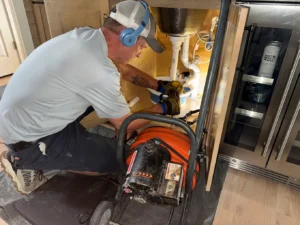
Professional drain cleaning can remove buildup that household methods may not reach. Depending on the issue, a plumber may use drain snaking, augering, water jetting, or camera inspection.
RooterMan SC offers water jetting for drain cleaning in Charleston and describes it as a service for clearing clogged drains for homes and businesses. Water jetting may be useful when pipes have heavy buildup, but a plumber should determine whether it is the right option for the system.
The right method depends on pipe condition, blockage type, drain layout, and whether the issue is inside the home or underground.
How to Reduce the Risk of Future Slow Drains
Some clogs happen suddenly, but many build over time. Better drain habits can help reduce repeat problems.
Helpful prevention steps include:
- Keep grease, fats, and oils out of kitchen drains
- Use drain screens in showers and tubs
- Avoid flushing wipes, paper towels, or hygiene products
- Run plenty of water when using a garbage disposal
- Schedule drain cleaning if clogs keep returning
- Fix slow drains before they become backups
- Watch for sewer odors or gurgling toilets
- Ask about camera inspection if main line issues repeat
The EPA WaterSense program reports that the average household’s leaks can waste more than 9,300 gallons of water every year, and 9% of homes have leaks that waste 50 gallons or more per day. While leaks are different from slow drains, this data shows why small plumbing problems are worth addressing before they become costly or wasteful.
Common Mistakes to Avoid
Multiple slow drains can feel stressful, but some responses can make things worse.
Avoid these mistakes:
- Treating several slow drains as separate clogs
- Pouring chemicals into multiple fixtures
- Ignoring sewer odors
- Continuing to run laundry or dishwashers
- Flushing toilets repeatedly when water is rising
- Waiting until wastewater backs up
- Assuming the problem will clear on its own
- Skipping professional inspection when the issue returns
If the same problem happens again after a basic cleaning, the cause may be deeper in the system.
When to Call Local Plumbers Right Away
Some slow drain situations should be treated as urgent. Waiting can increase the chance of backup, water damage, or exposure to contaminated water.
Call local plumbers quickly if you notice:
- More than one drain slowing at the same time
- Toilets bubbling or gurgling
- Sewage smell inside the home
- Water backing up into tubs or showers
- Slow drains after heavy rain
- A floor drain backing up
- Wet spots near the sewer line
- Drain problems returning soon after cleaning
These signs may point to a main line or sewer issue that needs professional equipment.
Get Slow Drains Checked Before They Back Up
Multiple slow drains are often a sign that your plumbing system needs more than a quick rinse or temporary fix. When several fixtures act up at the same time, the issue may involve a main line, sewer connection, vent, or deeper blockage.
If sinks, tubs, toilets, or floor drains in your Charleston home are draining slowly, contact RooterMan SC to schedule service with trusted local plumbers who can inspect the problem, clear the blockage, and help reduce the chance of another backup.