

A drain that seems clear one day and clogged again the next is a common plumbing frustration. Recurring drain clogs often feel like a mystery, especially after water started flowing normally for a while. The issue usually is not the drain itself but what remains inside the pipe after a temporary fix. When buildup is not fully removed, the same blockage forms repeatedly.
Why Recurring Drain Clogs Return So Quickly
Most clogs develop over time rather than appearing suddenly. Grease, soap residue, hair, and everyday debris slowly collect along the inner walls of the pipe. When only the center of the blockage is opened, water begins to drain again, but the layer stuck to the pipe remains. That leftover material quickly traps additional waste, creating another obstruction.
Recurring drain clogs are often the result of partial clearing rather than full removal. A drain may appear fixed because water moves, but the narrow passage created through the debris does not solve the underlying buildup. As daily use continues, the restriction grows until flow slows down once more.
A Drain Is Not Fully Clean Just Because Water Is Flowing
Water flow does not always mean a drain is clear. A pipe can still have heavy residue along its walls while allowing water to pass through the center. That leftover coating creates the perfect surface for new debris to stick. Over time, the buildup thickens and closes the opening that once allowed drainage.
This is why recurring drain clogs are so common after a quick fix. The visible symptom improves, but the pipe’s internal condition remains unchanged. Without addressing the material on the pipe walls, the same problem recurs.
Hidden Buildup Inside the Line
Inside many drain lines, layers of grease, sludge, and residue create a rough interior surface. Instead of being smooth, the pipe becomes a place where waste easily catches and collects. Even small amounts of debris can cling to these surfaces, gradually narrowing the pipe’s diameter.
As the space inside the pipe shrinks, water cannot carry waste through as effectively. Slower flow allows solids to settle, increasing the chances of another blockage. Recurring drain clogs often signal that this hidden buildup has not been removed.
What Makes RooterMan Drain Cleaning Services Effective?
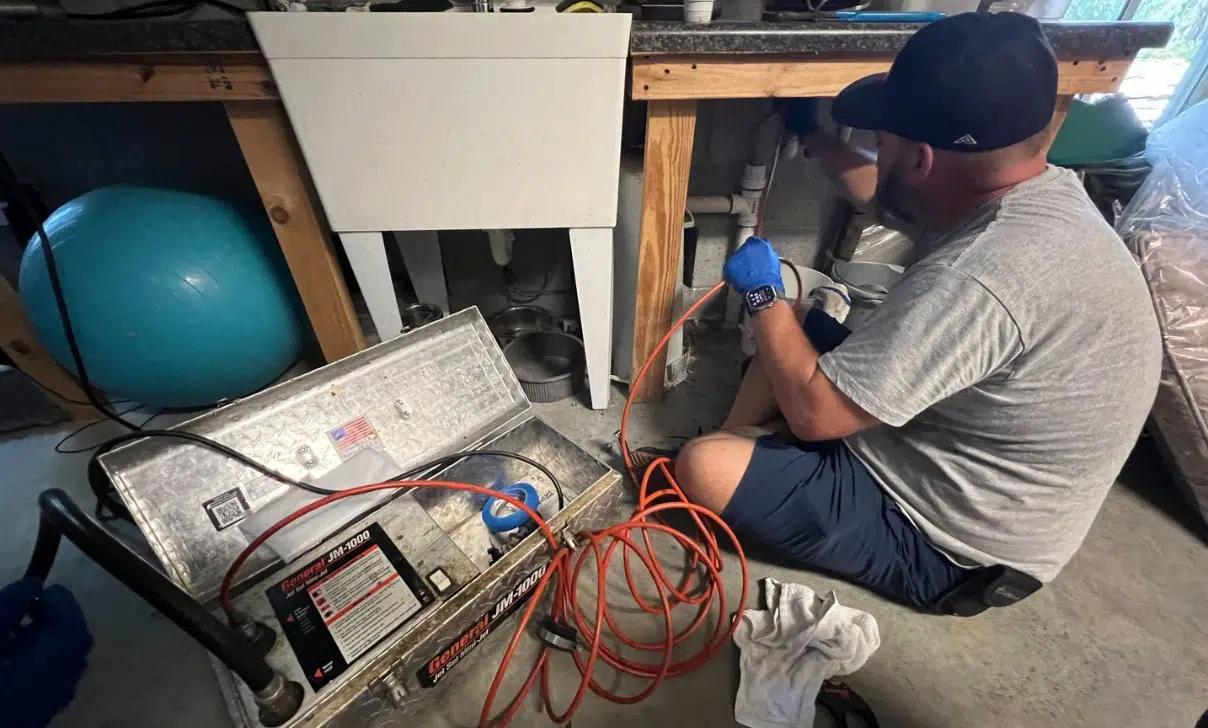
The team at Rooter Man uses water jetting or drain snake equipment, depending on the type of clog and the size of the drain, to clear sewer lines and drains. These methods are designed to safeguard plumbing infrastructure while fully removing blockages and cleaning the interior of the pipes.
1: Bathroom Drain Cleaning
Shower and tub drains often get blocked by clumps of organic material, especially hair. Hair is strong and acts like a net, trapping other debris that washes down the drain. While store-bought drain cleaners might loosen small clogs, larger blockages require more force to remove. Mechanical methods are typically more effective than chemical solutions for fully clearing drains, and the team at RooterMan uses specialized tools that break up tough clogs while keeping plumbing infrastructure safe.
Bathroom sink drains are also likely to clog, as small items can accidentally slip down them. Fingernail clippings, cotton swabs, hairpins, and similar objects can fall into the sink and accumulate in the pipes, eventually causing blockages.
2: Kitchen Drain Cleaning
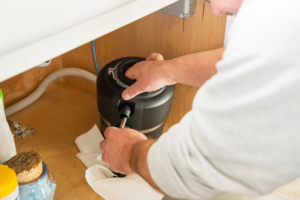
The kitchen sink is often the busiest plumbing fixture in a home, especially when it comes to handling waste. Connected to the garbage disposal and dishwasher, the kitchen drain handles a steady flow of food scraps and organic matter. Keeping inorganic items out of the drain and avoiding certain foods, such as coffee grounds and potato peels, can help prevent clogs. These materials do not break down easily and can gradually wear down metal disposal blades.
When items like plastic pieces, bones, metal objects, or tough food waste enter the kitchen drain, they can lead to a blockage that requires professional plumbing service. A severe clog can completely stop the drain, and if the dishwasher empties into the same pipe, water may have nowhere to go, increasing the risk of an overflow.
3: Sewer Line Cleaning
Slow drains are not always caused by simple buildup near a sink, tub, or toilet. In some cases, the issue can be more serious and linked to the sewer line that carries wastewater away from the home. This line runs underground beneath the yard, where it can be affected by natural conditions.
When soil around the pipe shifts or erodes, it can create cracks in the line. These openings allow dirt and small rocks to enter the pipe, where they accumulate and form a blockage that prevents water from flowing freely.
Tree roots are another common cause of sewer line trouble. A root pushing into the pipe may not immediately cause a leak, but as it grows, it can restrict water flow and trap other debris moving through the line. Over time, this buildup can lead to a significant obstruction.
Helpful Tips for Maintaining Clear Drains
- Clear the residue before it turns into a blockage
- Help prolong the life of the plumbing system
- Support better water flow and overall efficiency
Book a routine inspection with RooterMan for added peace of mind, knowing the plumbing system is well-maintained and functioning properly.
Conclusion
Recurring drain clogs often indicate that buildup remains in the line even after a temporary fix. When debris, residue, or hidden obstructions are not fully removed, the same blockage can return and continue to disrupt normal drainage. Addressing the root cause through drain cleaning services helps restore proper flow, reduces the likelihood of repeat issues, and supports the long-term performance of the plumbing system. Maintaining other essential plumbing components is just as important, and Cold Showers Aren’t an Accident: How Smart Water Heater Installation Improves Comfort and Efficiency explains how a properly installed water heater can improve both comfort and overall system performance.
Schedule professional drain cleaning with RooterMan SC today!