



Most Charleston homeowners don’t think about their sewer line until something goes wrong. One minute the sinks are draining fine, and the next minute there’s standing water in the tub, a toilet that won’t flush, or a foul odor creeping up from the drains. The truth is, sewer backups usually don’t happen “out of nowhere.” They build up slowly over time, deep inside the system, where it’s easy to ignore until the mess becomes impossible to miss.
That hidden buildup is exactly why sewer drain cleaning matters. Instead of waiting for a full blockage or backup, routine cleaning helps remove the materials that cling to pipe walls, narrow the drain path, and eventually trap waste and water in the worst way possible. And when it comes to sewer drain buildup removal, the sooner the issue is handled, the easier it is to prevent damage, sanitation problems, and emergency repairs.
The Real Problem: Sewer Buildup Doesn’t Stay Small
A sewer line is designed to carry wastewater away from your home quickly and safely. But over the years, that same line becomes a collection point for things that should never stay in the pipes long-term.
Here’s what commonly builds up in sewer drains:
- Grease and cooking oils that harden inside the pipe
- Soap scum that sticks to the inside walls
- Hair and bathroom residue that traps debris
- Food particles and sludge that collect in low points
- Toilet paper buildup in older or partially restricted lines
- Mineral deposits from Charleston’s water conditions
- Tree roots that push into sewer pipes underground
This is why buildup is so dangerous. It doesn’t just “sit there.” It grows. And the longer it grows, the closer the system gets to a full restriction, which leads to the kind of backup no homeowner wants to deal with.
What Sewer Buildup Looks Like Before a Backup Happens
Your plumbing usually gives warning signs before a major sewer blockage hits. The problem is, those signs often look “minor” at first, so they get pushed aside.
If any of these are happening, sewer buildup may already be present:
1. Multiple drains are slow at the same time
One slow sink may be a local clog. But when multiple fixtures are draining slowly, the issue is often deeper in the main sewer line.
2. Gurgling noises from toilets or drains
That bubbling sound is trapped air trying to escape around buildup and restricted flow.
3. Recurring clogs that keep coming back
If the toilet or bathtub keeps clogging even after basic plunging, it may be due to buildup further down the line.
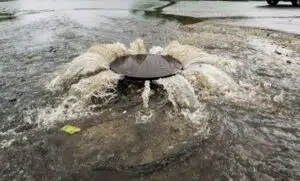
4. Water backup in tubs or showers after flushing
This is one of the clearest signs that sewer flow is restricted and pressure is forcing wastewater to rise into the lowest fixtures.
5. Bad odors from drains
Sewer smells can mean trapped waste sitting behind buildup, especially in warm Charleston weather. Ignoring these signs is risky because when the blockage finally closes off the pipe completely, wastewater has only one place left to go: back into your home.
Why Sewer Drain Cleaning is the Best Prevention Strategy
When the sewer line is professionally cleaned, the goal is not just to “poke a hole” through a clog. The goal is full sewer drain buildup removal, meaning the pipe should be cleared in a way that restores proper flow and reduces the chance of repeat issues.
This is how sewer drain cleaning prevents backups:
- It removes buildup before it turns into a full blockage
- It improves flow rate through the sewer line
- It reduces pressure and backflow risks
- It protects fixtures, drains, and sewer connections
- It lowers the chance of an emergency plumbing call
In Charleston, this matters even more because heavy rain, saturated soil, and shifting ground conditions can expose weaknesses in drain systems, making partially clogged sewer lines more likely to back up.
The Two Most Effective Sewer Drain Cleaning Methods
Not all clogs are equal. That’s why professional plumbers choose the right solution depending on the issue, pipe condition, and severity of buildup.
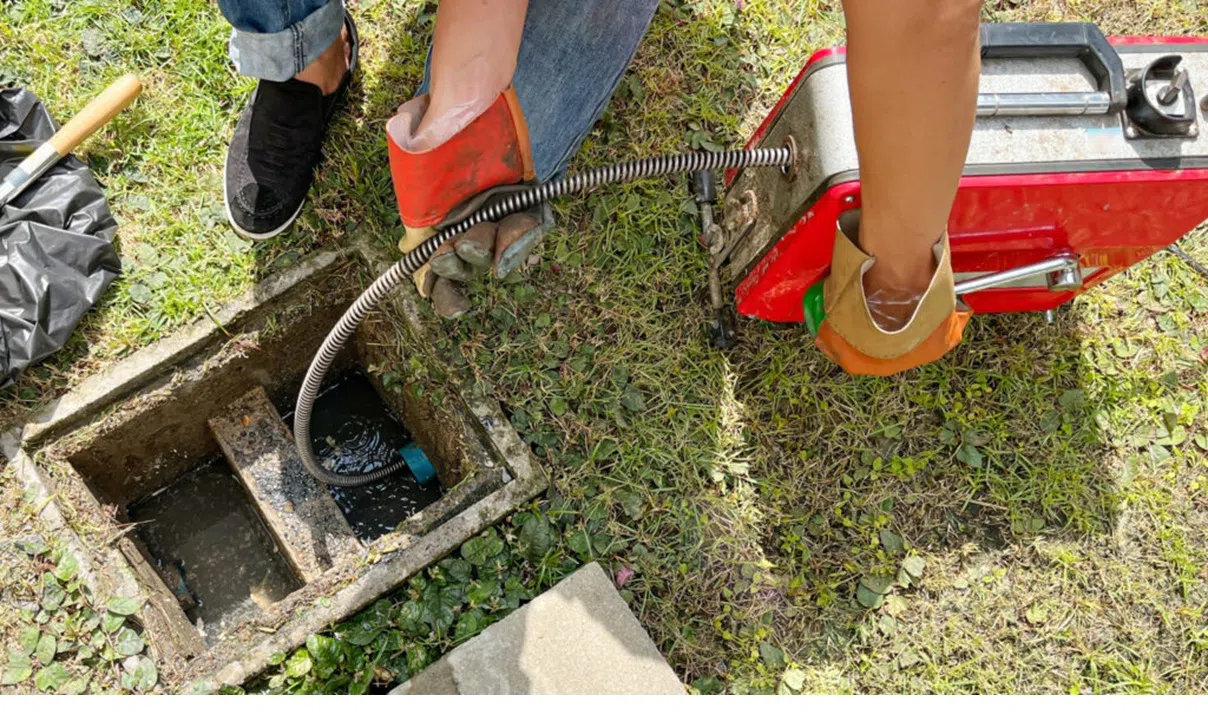
1. Drain snaking for direct clog removal
A drain snake (also called an auger) is one of the most common tools used to break through clogs. It’s ideal for:
- Localized sewer clogs
- Heavy debris lumps
- Blockages caused by tangled material
Snaking is effective at reopening the line quickly and restoring flow.
2. Water jetting for complete buildup cleaning
For thicker buildup like grease, sludge, and pipe-wall residue, water jetting is often the best option. It uses high-pressure water to clean the interior of the sewer line and flush out debris without harsh chemicals.
Water jetting helps with:
- Grease and heavy sludge
- Recurring drain clogs
- Long-term pipe buildup
- Preventative sewer drain cleaning
This method is especially valuable when the goal is lasting sewer drain buildup removal, not just temporary relief.
How Often Should Sewer Drain Cleaning Be Done?
There’s no one-size-fits-all schedule, but Charleston homeowners should consider sewer drain cleaning more often if:
- The home is older
- Large trees are near the sewer line
- Backups have happened before
- Drains clog frequently
- Grease disposal is common in the kitchen
Even if the system seems fine, preventative sewer drain cleaning can keep the main line flowing properly and avoid expensive surprises.
Conclusion
A sewer backup is never random. It’s the final stage of buildup that’s been growing quietly below your drains. The good news is that you don’t have to wait for that emergency moment. With professional sewer drain cleaning, the buildup can be removed early, the line can be protected, and your plumbing system can stay reliable year-round.
If the drains are slow, gurgling, smelling off, or repeatedly clogging, it’s time to act before the next flush turns into a flood. RooterMan is equipped to handle sewer drain buildup removal the right way, helping Charleston homeowners prevent backups before they turn into costly, messy emergencies.
Keep your drains flowing and your home protected, call RooterMan for sewer cleaning in Charleston.