



A plumbing emergency is any situation where waiting turns a fix into damage. Active water leaks, burst pipes, sewage backing up, and water near electrical areas can escalate fast. The goal isn’t to diagnose every detail on your own. It’s to stop the spread, protect the building, and get a professional on the way before the problem multiplies.
If you’re debating whether to call now or “see if it settles,” use one simple test: is the issue spreading, soaking, or creating a contamination risk? If yes, treat it as urgent. The best outcome usually comes from fast stabilization plus the right tools and inspection approach, not a rushed DIY attempt.
What is considered a plumbing emergency?
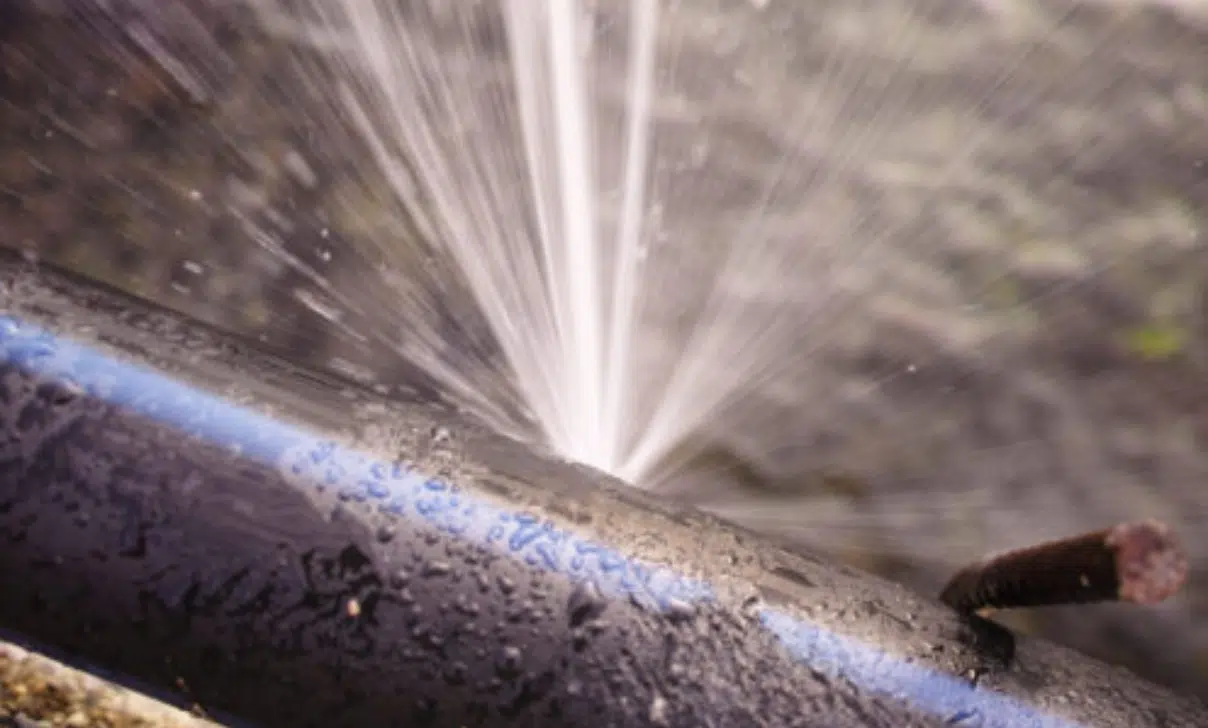
A plumbing emergency is anything that threatens property damage, health, or basic function. That includes burst pipes, water leaking through ceilings or walls, sewage odors tied to backups, overflowing fixtures that won’t stop, and multiple drains failing at once.
If the problem can damage floors, drywall, cabinets, or electrical components, minutes matter. If it involves sewage or a suspected main line issue, stop using water and call for help.
Burst pipe: what to do in the first 5 minutes
Your first five minutes are about control, not perfection.
- Shut off water at the nearest valve, or the main shutoff if needed.
- Turn off electricity to affected areas if water is near outlets, lights, or appliances.
- Contain water with towels, buckets, and moving valuables out of the wet zone.
- Open faucets briefly to relieve pressure after the water is off.
- Document the damage with quick photos for your records.
Avoid “testing” the system by turning water back on. That often makes damage worse.
Multiple drains backing up at once: what does it mean?
When multiple drains back up at the same time, it often points to a main line restriction, not a single clogged fixture. That changes the risk because using water in one part of the building can push a backup into another.
What to do right now:
- Stop using sinks, tubs, and toilets until the issue is assessed.
- Don’t run dishwashers or washing machines.
- If there’s standing water, keep people and pets away.
A professional can determine whether it’s a localized blockage or a main sewer issue and choose the right clearing method.
Sewage smells and backups: when it’s urgent
Sewage odors can be more than an unpleasant smell. If you notice a strong sewer odor paired with gurgling drains, slow drainage across multiple fixtures, or any sign of waste backing up, treat it as urgent.
The danger is contamination and hidden damage. This is also where specialized diagnostics can matter. For example, smoke testing is sometimes used to locate sewer odor sources and leaks that aren’t obvious from a quick look. Getting the right test early prevents weeks of guessing.
Hydro jetting vs snaking: which is better for emergencies?
Snaking is often the fastest way to break through a clog and restore flow, especially for a single fixture or a straightforward blockage. Hydro jetting is more aggressive and is used to scour buildup from pipe walls, which can be helpful for recurring clogs and heavy accumulation.
In an emergency, the best method depends on what’s happening:
- Single fixture clogged: snaking may be the quickest path to relief.
- Recurring issues or widespread slow drains: jetting or a deeper inspection may be needed to prevent repeat backups.
The goal is not just to get water moving again. It’s to reduce the chance you’re calling back next week for the same issue.
What to tell an emergency plumber during the call
Clear details speed up triage. Share:
- Where the water is appearing (ceiling, wall, floor, yard cleanout)
- Which fixtures are affected (one sink vs multiple drains)
- Whether you smell sewage
- Whether you’ve shut off the water and where the shutoff is located
- Any recent changes (renovations, tree roots, repeated clogs)
This helps the technician arrive prepared, which can shorten downtime and reduce guesswork.
Choosing an emergency response that actually helps
Many people type “plumbing service near me” in a panic because they need two things: speed and the right diagnosis.
Rooter-Man SC is built for that reality with emergency availability, monitored phone lines, and technicians on call for weekends and holidays, plus a wide service scope that includes drain and sewer work, leak detection, water line repair, repiping, smoke testing for sewer odors, and backflow testing and repairs.
If you’re juggling a household, tenants, or a business, that range matters because emergencies rarely show up in neat categories. One call should lead to a solution, not a referral chain.
Conclusion: stop the damage first, then fix the cause
Some plumbing problems can wait. The ones that spread water, threaten contamination, or affect multiple drains usually can’t. Start with immediate damage control, stop using water if a main line issue is suspected, and get professional support before the situation grows into a bigger repair.
If you’re ready to stop the emergency and start getting clear answers fast, schedule an appointment with Rooter-Man SC. If you’re still searching “local plumber near me” because the situation feels urgent, this is the right next step.