



A rotten egg smell in a bathroom you barely use often comes from sewer gas slipping past a dry drain trap. Sinks, showers, tubs, and floor drains are designed to hold a small amount of water that blocks odors from the plumbing system. If that bathroom sits unused, the water can evaporate and leave an open path for the smell.
That does not mean you need to panic, but it does mean you should pay attention. Start by running water in every fixture and flushing the toilet. If the odor fades and stays gone, the issue may have been simple. If it returns, spreads, or gets stronger, local plumbers can help find whether the source is a drain, vent, toilet seal, or sewer line issue.
Why does an unused bathroom smell like rotten eggs?
An unused bathroom can smell like rotten eggs because the water barrier inside a drain trap may have dried out. That barrier is what keeps sewer odors from rising through the sink, shower, tub, or floor drain.
Guest bathrooms, spare bathrooms, and rarely used tubs are common trouble spots because no one thinks to run water in them. The room may look clean, but the plumbing still needs occasional use to keep the traps filled.
What is a P-trap, and why does it matter?
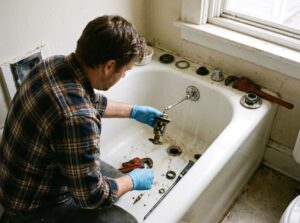
A P-trap is the curved section of pipe beneath many drains. Its job is simple: hold water so sewer gas cannot move back into the room.
If the trap dries out, cracks, leaks, or was installed incorrectly, that odor barrier may fail. Running water can refill a dry trap, but it will not fix a damaged trap or a deeper plumbing problem. That is why the smell’s pattern matters as much as the smell itself.
What should you do first if a bathroom smells like sewer?
First, run water in every fixture in the bathroom. Turn on the sink, run the shower or tub, flush the toilet, and pour water into any floor drain if the room has one.
Then wait and pay attention. If the smell disappears after the traps refill, make a habit of running water in that bathroom every so often. If the smell returns quickly, do not keep masking it with sprays or cleaners. The plumbing system is giving you a clue that needs a closer look.
Why does the smell come back after running water?
If the odor comes back after running water, the trap may be losing water, the drain may have buildup, or sewer gas may be entering somewhere else. A failed toilet seal, blocked vent, cracked pipe, or sewer line issue can all create odors that act like a simple dry drain problem at first.
This is where guessing gets expensive. A homeowner may clean the sink drain five times while the real issue sits at the toilet base or inside a hidden venting problem. Calling local plumbers helps narrow the source instead of treating every odor the same way.
Is a rotten egg smell in the bathroom dangerous?
A rotten egg or sewer-like smell should be taken seriously, especially if it is strong, persistent, or appears in more than one room. Sometimes the cause is minor, but sewer gas odors are not something to ignore for weeks.
The safest approach is practical. Try the simple water test first. If the smell stays, returns, or seems strongest near the toilet, schedule an inspection. Rooter-Man SC handles drain cleaning, clogged toilets, sewer line services, leak detection, water jetting, smoke testing, and emergency plumbing support, so the next step can match the actual source of the odor.
Could the toilet be causing the sewer smell?
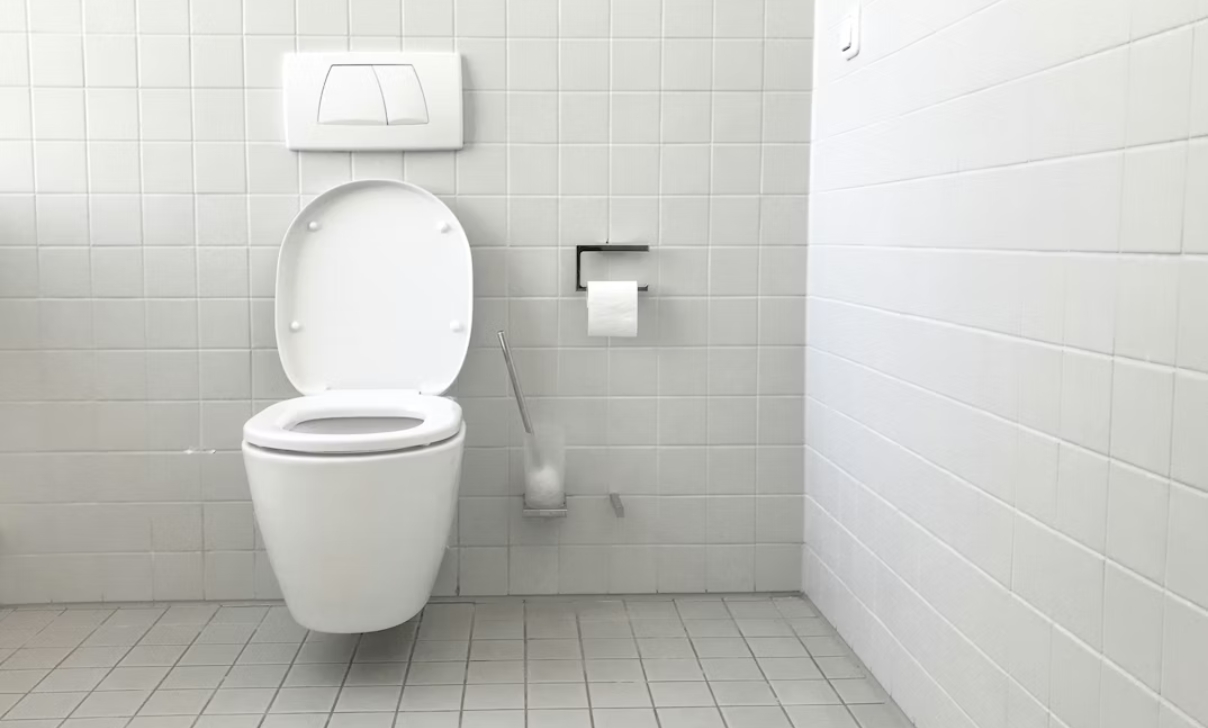
Yes, the toilet can cause a sewer smell even if it flushes normally. The wax ring or seal under the toilet is supposed to block odors from escaping around the base.
If the smell is strongest near the toilet, or if the toilet rocks slightly, has moisture around the base, or smells worse after use, the seal may need attention. This is not the kind of issue air freshener can solve. It may require plumbing repair before the odor and any hidden moisture problem get worse.
Can drain cleaning fix a rotten egg smell?
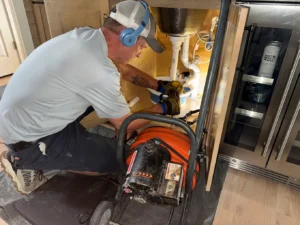
Drain cleaning can help if the smell comes from organic buildup inside a sink, tub, or shower drain. Hair, soap residue, and debris can trap odors and make a bathroom smell dirty even after the surfaces are cleaned.
Still, drain cleaning is not the answer for every sewer smell. If the trap is dry, the vent is blocked, the toilet seal is leaking, or the sewer line has a problem, cleaning the drain may only create temporary relief. The goal is to identify the source, not just improve the smell for a day or two.
What should you tell a plumber before the appointment?
Good details help the visit go faster. Before you call, note where the smell is strongest, when it started, and whether running water changed anything.
Also mention whether the bathroom is rarely used, whether any drains are slow, whether the smell appears in other rooms, and whether the toilet feels loose. These details can point the technician toward the right tests and reduce unnecessary trial and error.
When Should You Book an Appointment?
Book an appointment if the odor returns after running water, seems to come from the toilet base, affects more than one fixture, or comes with slow drains, gurgling, backups, or damp spots. A bathroom you barely use can still reveal a real plumbing issue. If recurring drainage problems are part of the issue, learning why clean drains in Charleston are key to your home’s efficiency can help you better understand the importance of routine drain maintenance.
If you want the smell diagnosed instead of guessed at, contact Rooter-Man SC and have local plumbers inspect the source. Book an appointment here to identify the problem and restore your plumbing system.