



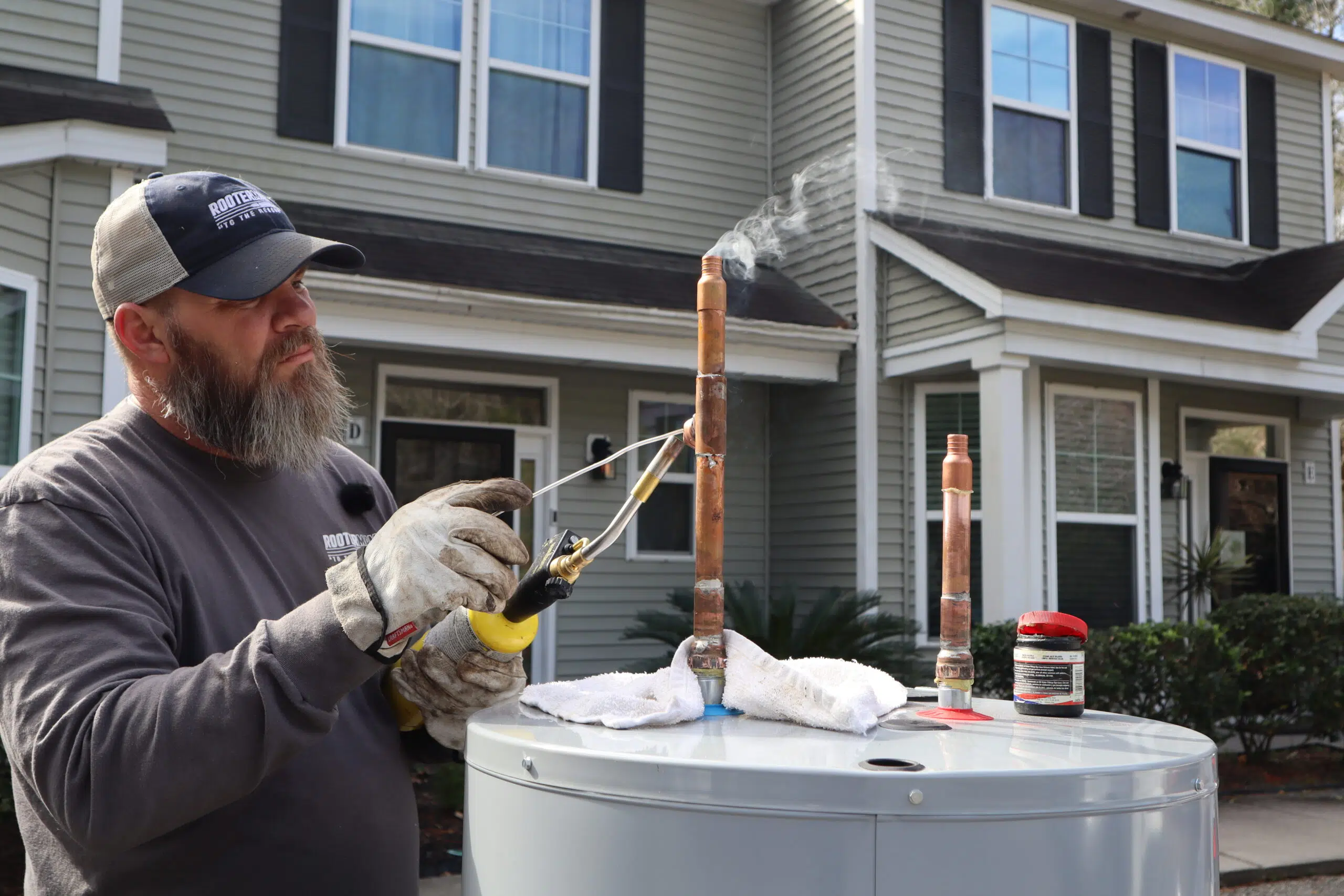
Plumbing issues are a common yet stressful occurrence in any household or business. Whether it’s a water heater malfunction, a clogged drain, or a burst pipe, finding a reliable and expert plumber is essential to avoid costly repairs and maintain a safe environment. If you live in Charleston, SC, and you’re looking for expert plumbers, this guide is designed to help you navigate the most common plumbing issues and solutions available from top-notch plumbers in the area.
In this comprehensive guide, we’ll explore the following services in-depth:
- Water Heater Repair
- Drain Snaking
- Drain Cleaning
- Sewer Replacement
- Water Jetting
- Clogged Drains
- Clogged Toilets
- Clogged Sewer Lines
- Water Line Repair
- Leak Detection
- Repiping
We will also discuss why Charleston, SC, has a high demand for expert plumbers and provide valuable insights to help you make informed decisions.
Why Charleston, SC Has a High Demand for Expert Plumbers
Charleston is known for its rich history, beautiful beaches, and unique charm. But as a coastal city with an aging infrastructure, it faces specific challenges when it comes to plumbing. The high humidity, old piping systems in historic homes, and the risk of flooding during hurricane season contribute to the demand for expert plumbing services.
Geographical Challenges of Charleston
- Historic Homes: Many of Charleston’s historic homes have outdated plumbing systems that require special care and attention.
- Humidity and Saltwater Corrosion: Being near the coast, Charleston homes face high humidity and saltwater exposure, leading to pipe corrosion.
- Frequent Flooding: Charleston is prone to flooding, especially during hurricanes and heavy rainfall, which can cause significant plumbing problems, such as clogged sewer lines and water line damage.
PRO TIP: If you live in an older home in Charleston, consider regular inspections by expert plumbers to prevent potential plumbing disasters.
Market Overview for Plumbing Services in Charleston
Here’s a look at the demand for various plumbing services in Charleston:
| Service | Percentage of Demand |
| Water Heater Repair | 25% |
| Drain Cleaning | 20% |
| Sewer Replacement | 15% |
| Leak Detection | 15% |
| Water Line Repair | 10% |
| Clogged Toilets/Drains | 15% |
PRO TIP: Homeowners in Charleston should schedule regular plumbing maintenance to prevent issues before
Water Heater Repair: Ensuring a Steady Supply of Hot Water
A functioning water heater is essential for daily activities like taking showers, washing dishes, and doing laundry. When it malfunctions, it can bring your routine to a sudden halt, making prompt repairs or maintenance crucial for restoring your home’s comfort.
Common Water Heater Issues
Water heaters can experience a range of problems over time. Some of the most common water heater issues include:
- No hot water or insufficient hot water: This can be due to a faulty thermostat, a broken heating element, or sediment buildup inside the tank.
- Leaking water heater: A leak may indicate anything from a loose valve to a corroded tank, which can lead to water damage if left unattended.
- Strange noises (e.g., rumbling, popping): These sounds are often caused by sediment buildup at the bottom of the tank, which affects heating efficiency and may lead to further damage.
- Water that’s too hot or too cold: Fluctuations in temperature could be a sign of a malfunctioning thermostat or incorrect temperature settings.
When to Call an Expert Plumber
Knowing when to call a plumber can save you time and prevent larger issues down the line. Here are key indicators:
- Aging water heater: If your water heater is over 10-12 years old and experiencing recurring problems, it might be more cost-effective to replace it rather than repair it. Older water heaters are less energy-efficient and more prone to failure.
- Routine maintenance: Regular water heater maintenance, such as flushing the tank every 6-12 months, can help extend its lifespan. Maintenance also improves the efficiency of your water heater, ensuring that it functions optimally.
PRO TIP: Flush your water heater at least once a year to remove sediment buildup. This not only improves the heater’s efficiency but also prevents wear and tear on its internal components, reducing the chances of unexpected breakdowns.
By staying on top of maintenance and knowing when to call a professional, you can avoid sudden disruptions and ensure a steady flow of hot water in your home.
Drain Snaking: A Reliable Fix for Clogged Drains
Blocked drains can cause major disruptions in your home, making it difficult to use sinks, bathtubs, or toilets. Drain snaking is one of the most efficient solutions that plumbers use to resolve these blockages quickly and effectively.
When is Drain Snaking Necessary?
Drain snaking is ideal for clearing out minor to moderate clogs in pipes. You should consider drain snaking if you notice the following signs:
- Slow-draining water: Water that takes too long to drain indicates a partial blockage that needs attention.
- Complete blockage: If water isn’t draining at all, it suggests a severe clog that requires immediate action.
- Foul odors: Persistent bad smells from drains can indicate a buildup of waste or debris inside the pipes.
- Gurgling sounds: Strange noises from pipes, especially after using water fixtures, are often a sign of a clog that may need snaking.
While drain snaking works well for smaller obstructions, more complex or severe blockages may require advanced methods like water jetting.
Drain Cleaning: Professional vs. DIY Solutions
While snaking is an effective solution for minor clogs, professional drain cleaning offers a more comprehensive approach to keeping your pipes in optimal condition. It’s important to understand the difference between professional services and do-it-yourself methods.
Professional Drain Cleaning vs. DIY
- Professional Drain Cleaning: This service utilizes advanced tools like hydro jets that can thoroughly clean the interior of pipes. It not only removes existing clogs but also prevents future blockages by clearing away all debris and buildup.
- DIY Solutions: Most DIY approaches involve using chemical drain cleaners or basic tools like plungers. While these might provide a temporary fix, they often don’t address the underlying problem and can even damage pipes over time.
Why Professional Drain Cleaning Is Better
Opting for professional drain cleaning services in Charleston offers several advantages over DIY methods:
- More thorough: Professionals use specialized equipment that clears debris more effectively than chemical cleaners.
- Prevents recurring clogs: Regular professional cleaning helps avoid future blockages by addressing the root cause.
- Safe for pipes: Unlike chemical cleaners, professional cleaning techniques are gentle on your pipes and won’t cause damage.
PRO TIP: Schedule professional drain cleaning services every 1-2 years to prevent clogs and ensure your plumbing system remains in top shape. This proactive approach can save you from costly repairs down the road.
By choosing professional services over DIY fixes, you’ll benefit from a cleaner, more efficient plumbing system that’s less prone to frequent blockages.
Sewer Replacement: A Vital Investment for Aging Plumbing Systems
Sewer lines play a critical role in your home’s plumbing system, carrying waste away from your house and into the municipal sewer system. Over time, especially in older homes in Charleston, these lines can become corroded, damaged, or even collapse, leading to significant plumbing problems that require sewer replacement.
Signs You Need Sewer Replacement
Recognizing the early signs of sewer line issues can help you address problems before they escalate. Here are some common indicators that you may need a sewer line replacement:
- Frequent clogs or backups: If you’re experiencing repeated blockages or backups in your drains, it could be due to a failing sewer line.
- Sewer gas odors: Foul odors around your home, particularly near drains, could indicate a break in the sewer line that allows gases to escape.
- Slow drainage throughout the house: If multiple drains in your home are draining slowly, it’s often a sign of a sewer line problem rather than an isolated clog.
- Lush patches of grass in your yard: If parts of your yard are unusually green or lush, it could be a sign of a leaking sewer line, as the escaping waste acts as a fertilizer for the grass.
The Cost of Sewer Replacement
Sewer replacement is a significant investment, but it’s essential for the long-term health and safety of your home. The cost can vary widely based on the severity of the damage, the size of the property, and the replacement method used. There are two primary methods for sewer replacement:
- Traditional excavation: This method involves digging up the old sewer line and replacing it with a new one. While effective, it can be costly due to the labor and landscaping restoration involved.
- Trenchless methods: These modern techniques allow plumbers to replace or repair sewer lines with minimal digging, reducing disruption and potentially lowering costs.
Sewer replacement is more than just a repair—it’s an investment that can prevent future plumbing disasters and maintain the value of your property.
PRO TIP: If your sewer system is over 30 years old, it’s wise to have it inspected by a professional plumber. Regular inspections can catch early signs of deterioration and help you plan for replacement before a catastrophic failure occurs.
By staying proactive and addressing sewer line issues early, you can avoid expensive emergency repairs and protect the integrity of your home’s plumbing system.
Water Jetting: High-Pressure Cleaning for Tough Blockages
Water jetting, also known as hydro jetting, is an advanced and highly effective method for clearing stubborn blockages in your pipes. Using high-pressure water, this technique not only removes clogs but also thoroughly cleans the interior of the pipes, making it far more comprehensive than traditional drain snaking.
Benefits of Water Jetting
Water jetting offers several advantages, making it a superior solution for maintaining clean and efficient plumbing systems. Key benefits include:
- Complete blockage removal: The high-pressure water thoroughly clears even the most stubborn blockages, such as grease, sludge, and other debris.
- Pipe cleaning: Unlike other methods that only target the blockage, water jetting cleans the entire pipe, removing mineral deposits, grease, and other buildups that could cause future clogs.
- Prevents future clogs: By thoroughly cleaning the pipes, water jetting helps prevent new clogs from forming, keeping your system running smoothly.
When to Use Water Jetting
Water jetting is most effective for severe blockages or recurring plumbing issues. It’s particularly useful for:
- Tree root intrusions: Roots from nearby trees can invade your sewer lines, causing blockages. Water jetting can remove these intrusions and restore proper flow.
- Stubborn grease or mineral buildup: Over time, grease, scale, and mineral deposits can accumulate in your pipes, leading to slow drains or blockages. Water jetting effectively blasts away these buildups.
- Frequent drain clogs: If you’re experiencing repeated clogs, water jetting can address the underlying cause by thoroughly cleaning the entire plumbing system.
With its powerful cleaning capabilities, hydro jetting is an ideal solution for homeowners dealing with persistent clogs or older plumbing systems prone to blockages.
Clogged Drains: A Frequent Plumbing Challenge
Clogged drains are one of the most common plumbing problems homeowners face. They can happen in various areas, including sinks, showers, and toilets, leading to slow water drainage or even complete blockages that disrupt daily routines.
Common Causes of Clogged Drains
Understanding what causes clogged drains can help you avoid them in the future. The most frequent culprits include:
- Hair and soap scum in bathroom drains: Over time, hair and soap residue can build up, creating a dense blockage in bathroom sinks and showers.
- Grease and food debris in kitchen sinks: When grease, oil, or leftover food is washed down the drain, it can solidify and trap other debris, leading to clogs.
- Foreign objects flushed down toilets: Items such as wipes, paper towels, or small objects that don’t break down easily can cause significant blockages in toilets.
How to Prevent Clogged Drains
Taking preventative measures can reduce the likelihood of clogs and keep your plumbing running smoothly:
- Install drain guards: Placing mesh or plastic guards over drains helps catch hair, food, and other debris before it enters the pipes.
- Avoid pouring grease or oil down the drain: Dispose of cooking fats in the trash instead of down the drain, as they solidify in pipes and lead to blockages.
- Regularly clean your drains: Routinely clearing your drains can help remove buildup before it becomes a significant issue.
PRO TIP: To naturally clean your drains and prevent clogs, use a mixture of vinegar and baking soda once a month. Simply pour the mixture down the drain, let it sit for 15 minutes, then flush with hot water. This eco-friendly method helps break down debris and keeps your drains flowing smoothly.
By staying proactive with cleaning and preventing common causes, you can reduce the occurrence of clogged drains and keep your plumbing in top condition.
Clogged Toilet: An Urgent Issue That Requires Swift Action
A clogged toilet can be a major inconvenience, disrupting your daily routine and causing stress. While a plunger can often handle minor clogs, persistent or severe blockages usually need the expertise of a professional plumber.
Signs You Need Professional Help
Recognizing when to call a plumber can prevent further damage and more costly repairs. Watch for these signs:
- Recurring clogs: If you’re constantly dealing with clogs despite using a plunger, it may indicate a more serious issue that requires professional attention.
- Slow flushing: A toilet that flushes slowly can signal a partial blockage or a problem with the sewer line.
- Overflowing toilets: An overflowing toilet often points to a severe clog or an issue with the plumbing system that needs immediate intervention.
- Gurgling sounds from other drains: If you hear gurgling sounds in other drains when you flush the toilet, it can be a sign of a blockage in the main sewer line.
PRO TIP: To avoid future clogs, only flush toilet paper and human waste down the toilet. Items like wipes, sanitary products, and paper towels do not break down easily and can lead to blockages.
By addressing these signs promptly and following preventative measures, you can manage toilet clogs effectively and maintain a smoothly functioning plumbing system.
Clogged Sewer Lines: A Critical Plumbing Concern
A clogged sewer line is a significant plumbing issue that can lead to severe problems throughout your home, including backups in sinks, tubs, and toilets. This issue is particularly prevalent in Charleston, where heavy rain and flooding can exacerbate existing blockages.
Signs of a Clogged Sewer Line
Identifying a clogged sewer line early can help prevent extensive damage and costly repairs. Watch for these indicators:
- Multiple drains are slow or clogged: If several drains in your home are experiencing slow drainage or blockages simultaneously, it may signal a sewer line problem.
- Gurgling sounds from drains: Unusual gurgling noises from your drains can indicate that air is trapped in the plumbing due to a blockage in the sewer line.
- Foul sewer odors: Persistent bad smells coming from your drains suggest that sewer gases are escaping through a clog or break in the sewer line.
- Water backing up into the tub or sink: If water backs up into fixtures, it’s often a sign of a serious obstruction in the sewer line.
PRO TIP: In Charleston, tree roots frequently invade sewer lines, causing blockages. Regular maintenance and inspections can help detect and address root intrusions before they lead to more significant problems. Schedule annual inspections to keep your sewer lines clear and avoid costly repairs.
By staying vigilant and addressing these signs promptly, you can manage sewer line issues effectively and maintain a healthy plumbing system.
Water Line Repair: Crucial for Preventing Property Damage
A damaged water line can lead to extensive property damage and skyrocketing water bills. Water lines are vulnerable to issues caused by tree roots, corrosion, and shifts in the ground, making timely water line repair essential.
Signs You Need Water Line Repair
Detecting Water Line problems early can prevent severe damage and high repair costs. Look out for these signs:
- Decreased water pressure: A sudden drop in water pressure may indicate a leak or damage in your water line.
- Unexplained increase in water bills: A noticeable rise in your water bills without any change in usage often points to a leak or line damage.
- Wet spots in your yard: Persistent wet or soggy areas in your yard could signal a leaking or broken water line underground.
- Discolored or rusty water: Water that appears brown or rusty might suggest pipe corrosion or sediment buildup in your water line.
Cost of Water Line Repair
Repairing a damaged water line can be expensive, with costs varying based on the extent of the damage and the repair method used. In Charleston, the average repair cost ranges from $500 to $2,000.
PRO TIP: If you experience a sudden drop in water pressure, it’s advisable to have your water lines inspected immediately. Early detection of leaks or damage can prevent more significant problems and reduce repair costs.
By staying alert to these signs and addressing water line issues promptly, you can protect your property from water damage and manage your water bills effectively.
Leak Detection: Essential for Preventing Major Water Damage
Undetected leaks can cause significant water damage and lead to costly repairs. Leak detection services utilize advanced technology to locate hidden leaks within walls, ceilings, and underground pipes, ensuring early intervention before major issues arise.
Types of Leaks a Plumber Can or Must Detect to Avoid Any Plumbing Issue
To effectively prevent plumbing problems, a plumber must be able to detect various types of leaks. These include leaks that can lead to water damage, mold growth, and structural issues. Below are some common types of leaks:
Type of Leak |
Description |
Potential Damage |
Faucet Leaks |
Occur when faucets drip or have a steady stream of water. Often caused by worn-out washers or O-rings. |
Increases water bills, can lead to water pooling and staining. |
Toilet Leaks |
Leaks can occur inside the tank, between the tank and the bowl, or around the base of the toilet. |
Leads to water waste, damage to flooring, and mold growth. |
Pipe Leaks |
Common in old or damaged pipes, usually hidden behind walls or underground. |
Can cause significant water damage to walls, floors, and foundations. |
Slab Leaks |
Leaks that occur beneath the foundation or slab of a house, usually in older homes. |
Can damage the foundation, leading to cracks and structural issues. |
Roof and Ceiling Leaks |
Occur when water penetrates through the roof or ceiling due to damaged shingles or clogged gutters. |
Leads to ceiling stains, mold, and potential ceiling collapse. |
Water Heater Leaks |
Caused by rust or sediment buildup in water heaters. |
Leads to flooding, loss of hot water, and potential appliance failure. |
Sewer Line Leaks |
Leaks or cracks in sewer lines, which often cause bad odors and slow drainage. |
Can lead to soil contamination and health hazards. |
Underground Pipe Leaks |
Occur in water supply lines or irrigation systems, often unnoticed due to their location. |
Can cause soil erosion, foundation issues, and high water bills. |
How to Avoid Leak Detection Issues on Your Own
While professional leak detection services are essential, there are several proactive steps you can take to avoid major plumbing problems:
-
Monitor Water Bills: Keep an eye on your water bills. A sudden increase in water usage could indicate a hidden leak.
-
Inspect Appliances Regularly: Check your washing machine, dishwasher, and water heater for any signs of leakage.
-
Check Water Pressure: High water pressure can lead to pipe damage. Install a pressure regulator to prevent excessive wear.
-
Examine Faucet and Showerhead Drips: A small drip can waste gallons of water over time. Replace worn-out washers or cartridges.
-
Listen for Sounds of Running Water: If you hear water running even when no taps are open, this could indicate a hidden leak.
-
Inspect Exposed Pipes: Regularly check exposed pipes under sinks, in the basement, or around the water heater for signs of corrosion or moisture.
PRO TIP: Consider investing in a water leak detection system that automatically shuts off water when a leak is detected. This is especially useful for areas like basements or utility rooms.
How a Local Plumber in Charleston Can Help You in This Leak Detection Matter
A qualified local plumber in Charleston is equipped with advanced tools and expertise to help you tackle leak detection effectively:
-
Expertise in Local Plumbing Systems: Charleston plumbers are familiar with the specific plumbing challenges common in older homes and buildings in the area.
-
Use of Modern Leak Detection Equipment: They employ thermal imaging, acoustic sensors, and pressure testing to accurately detect leaks without unnecessary damage to your property.
-
Regular Maintenance and Inspection Services: Local plumbers offer routine maintenance to ensure your plumbing system stays in top condition, preventing future leaks.
-
Emergency Leak Repair Services: If a leak is detected, Charleston plumbers provide prompt emergency services to minimize damage.
-
Water Efficiency Advice: They can recommend water-saving appliances and fixtures to help reduce your water consumption and detect minor leaks early.
CAUTION TIP: Never attempt to fix major plumbing leaks on your own, especially if they involve the main water line or underground pipes. This can lead to further damage and costly repairs.
PRO TIPS for Leak Prevention and Detection:
-
Install Leak Detectors: These devices alert you to water leaks in areas like bathrooms, basements, or kitchens.
-
Schedule Regular Plumbing Inspections: Hire a plumber to inspect your system yearly, especially in older homes.
-
Insulate Pipes: Insulate pipes in colder areas to prevent them from freezing and bursting during winter.
By combining professional services with routine checks, you can significantly reduce the likelihood of leaks and water damage in your home.
Benefits of Leak Detection Services
Investing in professional leak detection offers several key advantages:
- Prevents water damage: Early detection of leaks helps avoid extensive water damage to your property, including mold growth and structural issues.
- Reduces water bills: By identifying and fixing leaks promptly, you can prevent unnecessary water loss and lower your water bills.
- Increases the lifespan of your plumbing system: Regular leak detection and maintenance contribute to the overall health of your plumbing system, extending its lifespan and reducing the need for frequent repairs.
By employing leak detection services, you can safeguard your home from hidden leaks and ensure your plumbing system operates efficiently.
Repiping: A Durable Solution for Aging Plumbing Systems
If your home has old pipes that frequently leak or clog, Charleston repiping may be the ideal solution. This is especially relevant in Charleston’s historic homes, where outdated plumbing systems often lead to persistent issues.
When Is Repiping Necessary?
Repiping Necessary is typically required when the following conditions are present:
- Frequent leaks: Regular pipe leaks can signal deteriorated plumbing that needs replacement.
- Discolored water: If your water appears rusty or discolored, it may be due to corroded pipes.
- Low water pressure: Persistent low water pressure can result from aging, obstructed pipes.
- Pipes that are more than 50 years old: Older pipes are more prone to problems and may need to be replaced to ensure reliable performance.
Cost of Repiping
While repiping can be a significant investment, it offers a long-term solution that enhances the efficiency and safety of your plumbing system. In Charleston, the average cost of repiping a house ranges from $3,000 to $10,000, depending on the size of the home and the complexity of the project.
Repiping not only resolves current plumbing issues but also prevents future problems, providing peace of mind and improving your home’s overall plumbing reliability.
Conclusion
Plumbing issues can be a significant challenge, especially in a city like Charleston, SC, where unique geographical conditions and aging infrastructure can exacerbate problems. From water heater repairs to drain cleaning, sewer replacements, and repiping, having access to expert plumbers is crucial for maintaining your home’s plumbing system. By understanding the services available, recognizing the signs of trouble, and scheduling regular maintenance, you can prevent small issues from becoming costly disasters. For additional guidance, When Small Plumbing Issues Turn Into Big Repairs: Choosing the Right Plumbing Services in Charleston explains why addressing minor plumbing concerns early can help avoid more extensive and expensive repairs. Whether you need routine maintenance or emergency services, Charleston’s expert plumbers are equipped to handle all your plumbing needs.
People also ask (FAQs)
What are the common signs that I need water heater repair?
Common signs that your water heater needs repair include no hot water, insufficient hot water, leaking around the base, unusual noises like rumbling or popping, and water that is too hot or too cold. If you experience any of these issues, it’s best to call a professional plumber to assess and fix the problem.
How does drain snaking work, and when should I use it?
Drain snaking involves using a flexible tool with a rotating auger to break up and remove clogs in pipes. It’s ideal for clearing minor blockages in sinks, showers, and toilets. Use it when you notice slow drainage or complete blockages, but for more stubborn clogs, professional drain cleaning may be necessary.
What is the difference between drain cleaning and drain snaking?
Drain snaking removes blockages using a mechanical auger, while drain cleaning involves more thorough methods like hydro jetting to clear entire pipes. Drain cleaning is better for comprehensive cleaning and preventing future clogs, whereas drain snaking is a quick fix for immediate blockages.
When should I consider sewer replacement for my home?
Consider sewer replacement if you experience frequent clogs, sewer gas odors, slow drainage throughout your home, or notice lush patches of grass in your yard, which could indicate a leaking sewer line. If your sewer system is old and frequently problematic, replacement might be necessary.
What is water jetting, and how does it help with plumbing issues?
Water jetting uses high-pressure water streams to clean and remove debris from pipes, including stubborn clogs and mineral buildup. It’s effective for clearing severe blockages and cleaning pipes thoroughly. Use it for persistent clogs or when standard methods fail to address the issue.
What should I do if my drains are frequently clogged?
Regular maintenance is key to preventing frequent clogs. Install drain guards to catch debris, avoid pouring grease down the drain, and clean your drains monthly with a mixture of vinegar and baking soda. If clogs persist, consider professional drain cleaning to address underlying issues.
How can I fix a clogged toilet at home?
For minor clogs, use a plunger to create pressure and clear the blockage. If the clog persists or if you notice other plumbing issues, such as slow drainage or overflow, it may be best to call a professional plumber. Avoid flushing anything other than toilet paper to prevent future clogs.
What are the signs of a clogged sewer line, and how can I address them?
Signs of a clogged sewer line include slow drainage from multiple drains, gurgling sounds, foul sewer odors, and water backing up into sinks or tubs. If you notice these symptoms, contact a professional plumber immediately for inspection and cleaning of the sewer line.
When is it necessary to repair or replace water lines?
Repair or replacement is necessary if you notice decreased water pressure, unexpected increases in water bills, wet spots in your yard, or discolored water. Regular inspections can help identify issues early and prevent major water damage or costly repairs.
How does leak detection work, and why is it important?
Leak detection uses specialized tools like thermal imaging and acoustic sensors to find hidden leaks in walls, ceilings, or underground pipes. It’s important for preventing water damage, reducing water bills, and maintaining the integrity of your plumbing system. Early detection can save significant repair costs.
What does repiping involve, and when should I consider it?
Repiping involves replacing old or damaged pipes with new ones to improve water flow and prevent leaks. Consider repiping if you experience frequent leaks, discolored water, low water pressure, or if your pipes are over 50 years old. It’s a long-term solution to outdated plumbing systems.
What are the benefits of hiring a professional plumber over DIY repairs?
Professional plumbers have the expertise, tools, and experience to handle complex plumbing issues safely and efficiently. They can provide accurate diagnostics, high-quality repairs, and long-term solutions, whereas DIY repairs may lead to temporary fixes or additional damage if not done correctly.
How often should I schedule drain cleaning services for my home?
Scheduling drain cleaning every 1-2 years is recommended to prevent clogs and maintain the health of your plumbing system. If you experience frequent clogs or slow drainage, more frequent cleaning might be necessary. Regular maintenance helps prevent serious plumbing issues and extends the lifespan of your pipes.
What factors affect the cost of sewer replacement in Charleston?
The cost of sewer replacement can vary based on factors such as the extent of damage, the method used (traditional excavation vs. trenchless), the length of the sewer line, and accessibility. In Charleston, costs typically range from $3,000 to $10,000, depending on these factors.
Why is Charleston, SC, more prone to plumbing issues compared to other cities?
Charleston’s coastal location, high humidity, and aging infrastructure contribute to increased plumbing issues. Historic homes with outdated plumbing systems, saltwater corrosion, and flooding from hurricanes exacerbate the demand for plumbing services. Regular inspections and maintenance are essential to address these challenges effectively.