

As a homeowner, keeping your storm drains clear is one of those maintenance jobs that’s easy to forget until it causes a real problem. Storm drains carry rainwater away from your home, your yard, and your street. When they’re clogged, that water has nowhere to go, and in a city like Charleston, where heavy rain and hurricane season are a regular part of life, a blocked drain can turn into flooding fast.
A flooded yard is bad enough on its own. Left unaddressed, standing water can seep into your foundation, damage your drywall, and create the kind of moisture that leads to mold and mildew. It can also erode landscaping and, in some Charleston neighborhoods, put you at risk of a fine if the drain in front of your property isn’t kept clear.
Why Storm Drains Clog
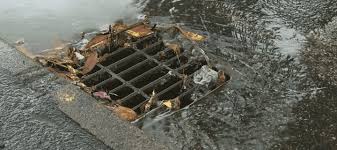
Storm drains handle a lot more than rain. Leaves, pine straw, grass clippings, dirt, and general street debris all wash toward the nearest drain during a storm. Over time, this buildup narrows the opening until water can no longer pass through fast enough.
Coastal weather adds another layer to this. Charleston’s tree cover means heavy leaf drop in the fall, and its storm season brings the kind of wind and rain that pushes debris into drains faster than in drier climates. Older neighborhoods with aging drainage infrastructure are especially prone to slow buildup, since smaller pipe diameters clog more easily than newer systems.
Chemicals and paint are another common cause. Storm drains usually lead straight to a nearby creek, lake, or river, so anything poured down one, from leftover paint to car-washing runoff, doesn’t get filtered. It just adds to the debris and contamination building up inside the pipe.
Warning Signs of a Blockage
A few signs tend to show up before a drain fails completely:
- Standing water near the drain opening that doesn’t recede within an hour or two after rain stops
- Slow drainage during light rain, when water should clear quickly but instead pools
- Unpleasant odors coming from the drain, usually a sign that organic debris is decomposing inside the pipe
- Visible debris buildup at the grate, such as leaves, mud, or trash packed against the opening
- Water backing up onto your driveway, sidewalk, or lawn during moderate rainfall
Catching these early usually means a simple cleaning. Ignoring them tends to mean a bigger repair once flood season arrives.
DIY Maintenance Steps
Homeowners can handle basic upkeep between professional cleanings:
- Clear visible debris from the drain grate by hand or with a rake after storms and during fall leaf drop.
- Rinse the grate with a garden hose to flush loose dirt and small debris into the drain.
- Check for pooling in your yard after rain and note any spots where water sits longer than it should.
- Keep chemicals away from drains entirely. Never rinse paint, oil, or cleaning chemicals into a storm drain.
- Inspect gutters and downspouts that feed into your storm drain system, since clogged gutters often push extra debris downstream.
These steps handle surface-level buildup, but they won’t reach a clog that’s already formed further down the pipe.
When to Call a Professional
Once a blockage is beyond what a rake and garden hose can fix, it’s time to bring in a plumber. Signs that a DIY approach won’t cut it include standing water that doesn’t drain over several days, a smell that keeps returning after cleaning the grate, or visible water backing up onto your property during normal rainfall.
At that point, a professional drain cleaning service can clear the line properly instead of just addressing what’s visible at the surface. For drains with heavier, more compacted buildup, hydro jetting uses high-pressure water to scour the inside of the pipe clean, which is often the more thorough fix for older Charleston-area drainage lines that have years of buildup to work through.
If flooding is already happening or water is actively backing up into your home, that’s no longer a maintenance issue. Our emergency plumbing team is available to respond before the water causes structural damage.
Keeping your storm drains clear is one of the simplest ways to protect your home from flood damage during Charleston’s storm season. If your drain is already showing signs of a blockage, or it’s simply been a while since it was last serviced, call Rooter-Man at (843) 402-7799 to schedule a cleaning before the next storm rolls in.
Charleston Flood-Season FAQ
How often should storm drains be cleaned in Charleston? Most homes benefit from a professional cleaning once a year, ideally before hurricane season ramps up in late spring. Properties with heavy tree cover may need it more often.
Is storm drain maintenance my responsibility or the city’s? It depends on the drain. The one at the curb in front of your property is typically your responsibility to keep clear of debris, while the underground municipal system belongs to the city. Charleston does issue fines in some cases if a homeowner allows a drain to stay blocked.
Can I pour anything down a storm drain safely? No. Storm drains lead directly to local waterways without any filtering, so rainwater is the only thing that should go down them. Paint, oil, chemicals, and yard waste should never be rinsed into a storm drain.
What’s the difference between drain cleaning and hydro jetting for storm drains? Standard drain cleaning clears loose debris and moderate clogs. Hydro jetting uses pressurized water to break up heavier, compacted buildup and is often the better option for drains that haven’t been serviced in several years.