

Imagine this: You’re hosting a small get-together with close friends and family. The laughs are flowing, the mood is vibrant, and everyone is raving about your culinary skills. Then suddenly, the sink starts to gurgle ominously, and water refuses to go down the drain.
Panic sets in. You’ve got a clogged drain and a house full of guests! If only you had searched for a “clogged drain company near me” before this could happen.
Don’t let this be you; what you don’t know about your favorite foods and their impact on your drain can truly mess up your plans, and your plumbing.
You Are What You Drain
Different foods clog your pipes in different ways — some coat, some swell, some tangle. Here’s a breakdown of the biggest offenders so you know exactly what to keep out of the sink.
Grease & Oil
A Lesson in Chemistry: Oil and Water Don’t Mix
Remember your basic science lessons? Oil and water don’t mix. So, when you pour cooking oils, such as olive or vegetable oils, down the drain, they won’t dissolve in water. Instead, they float and accumulate, starting to line your pipes like the worst kind of interior decorating.
The Big Freeze
While hot oils may seem liquid and free-flowing, don’t forget that they solidify as they cool. Now, imagine that happening in your pipes. Over time, this solidified gunk forms layers that trap other food particles. It’s like the traffic jam of the plumbing world, and the only thing moving is your stress levels!
The Debris Magnet
Here’s the kicker: not only do fats and oils stick to the pipes, but they also act as magnets for other food debris. Stuff like pasta bits or vegetable peels cling to the oily layers, and before you know it, you’ve got a full-blown blockade in your plumbing system.
Coffee Grounds
Organic ≠ Safe
The word “organic” often lulls us into a false sense of security. Organic veggies? Good for you. Organic waste down the drain? Not so much. Coffee grounds and eggshells, while organic, are culprits when it comes to clogged drains.
The Silt Situation
Ever noticed how coffee grounds tend to settle at the bottom of your coffee cup? They do the same in your drain, creating a layer of sediment almost like a silt bed at the bottom of a river. Except this river doesn’t flow smoothly; it backs up and makes you regret that last cup of Joe.
Snowballing into a Crisis
Sure, a small heap of coffee grounds or eggshell fragments might not seem like much initially. But these particles accumulate over time. Combined with other food wastes and oily residues, they create the perfect storm for a plumbing nightmare that might have you hastily searching for a “clogged drain company near me.”
Rice & Pasta
The Inflation Problem
Pasta and rice may seem harmless; after all, they’re delicious comfort foods. But they absorb water and expand. And this isn’t just in your cooking pot; it’s also in your pipes. Imagine a growing mass of pasta or rice in your plumbing; it’s like a sponge that soaks up water and blocks the way for anything else.
The Chain Reaction
When these foods expand, they also form a sticky surface that can catch other bits of debris, exacerbating the clogging issue. It’s like creating a dam in your pipes, a dam made of your favorite comfort foods.
Produce Peels
The Starchy Snare (Potato Peels)
Ah, the comforting allure of mashed potatoes. But be warned: potato peels are not your drain’s friend. These skins contain starch that, when mixed with water, turns into a gooey mess — sort of like makeshift glue for your pipes.
The String Theory of Clogging (Fibrous Peels & Trimmings)
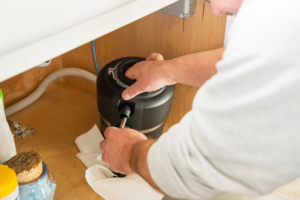
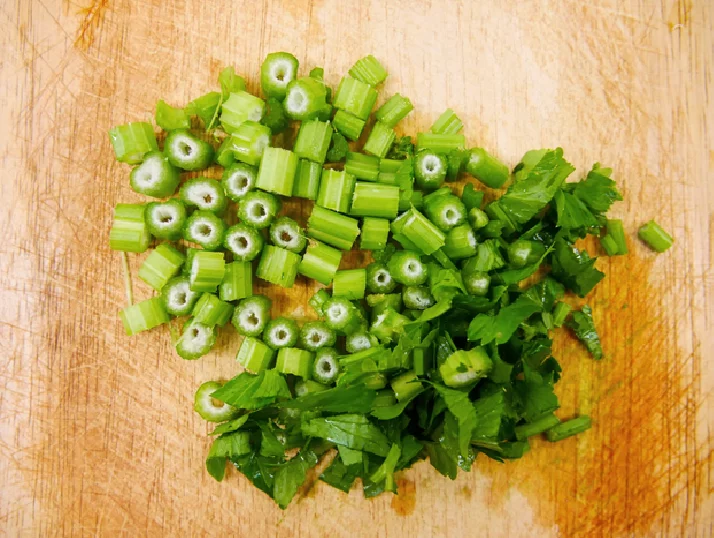
Celery, asparagus, and corn husks have fibrous, stringy textures. When these go down the disposal, they don’t break down easily. The stringy fibers can wrap around your garbage disposal blades, hindering their effectiveness.
The Domino Effect
Once these fibers have entangled your disposal blades, the appliance can’t effectively grind other types of food waste. The result? Your disposal system starts to lose its efficacy, and clogs become more frequent and more severe.
The Google Search You Didn’t Want to Make
The more you send these starchy, fibrous offenders down your drain, the closer you get to the inevitable: searching for a “clogged drain company near me” while contemplating the life choices that led you here.
The DIY Trap
Chemical Drain Cleaners: Not a Magic Elixir
While it’s tempting to pour a bottle of chemical drain cleaner to wash your worries away, this is often a temporary fix. Not only do they not eliminate the entire clog, but they can also damage your pipes, leading to more expensive repairs in the long run.
The Plunger Predicament
Sure, your trusty plunger has saved the day more than once. But for deep-seated clogs, it’s merely a band-aid solution. You’ll find yourself exerting a lot of effort, but the stubborn clog will likely remain, staring back at you as if challenging you to a duel — a duel you’re likely to lose.
By now, you probably get the picture: what goes down the drain often doesn’t go away; it just hides out of sight, plotting its grand and messy return. Keep that in mind the next time you’re tempted to dispose of these foods down your sink. Otherwise, you’ll find yourself searching for a “clogged drain company near me” sooner rather than later.
Conclusion: When All Else Fails
Your drain has seen better days, and now it’s practically begging for professional intervention. At this point, you’re probably realizing the value of having a reliable plumbing company that you can call upon. Rooter-Man SC is your trusted licensed plumber in Charleston, SC.
We offer round-the-clock, full-service plumbing repair, maintenance, and installation. Before your drain issues escalate into a full-blown catastrophe, why not request an estimate? Trust us; your pipes will thank you.
Frequently Asked Questions
Can I ever pour grease down the drain if I run hot water after?
No. Hot water keeps grease liquid only while it’s running through your own pipes. Once it travels further into the cooler sewer line, it solidifies anyway and can still build up. Let grease cool in a container and throw it in the trash instead.
Is it okay to put a small amount of coffee grounds down the sink?
It’s best avoided altogether. Even small amounts accumulate over weeks and months, especially in a household that brews coffee daily. Compost your grounds or toss them in the trash rather than the sink.
Why does my garbage disposal struggle with rice and pasta specifically?
Rice and pasta continue absorbing water and swelling even after they leave your plate. Inside a disposal or pipe, that expansion can jam the blades and pack tightly enough to block water flow entirely.
Are all vegetable peels bad for the disposal?
Stringy, fibrous peels and trimmings — like celery, asparagus, corn husks, and potato skins — are the biggest risk because they wrap around disposal blades or turn starchy and sticky. Softer, non-fibrous scraps are generally less risky, but when in doubt, the trash or compost bin is the safer choice.
What should I do if I already have a clog from these foods?
Skip the chemical drain cleaner, since it rarely clears the full blockage and can damage your pipes over time. If a plunger doesn’t resolve it quickly, call a professional plumber before the clog worsens or backs up further into your system.
How can I prevent food-related clogs going forward?
Use a sink strainer to catch scraps, scrape plates into the trash or compost before washing, and never treat your garbage disposal as a trash can. Routine drain cleaning also helps catch buildup before it turns into a full blockage.
Ready for a professional inspection or drain cleaning? Request an appointment with Rooter-Man SC today.