

A yard drain can look fine for months and still be one hard rain away from failure. That is why many homeowners do not think about the problem until water starts pooling near the house, washing out landscaping, or backing up in the exact area that stayed dry all winter. Good home plumbing services help catch that kind of hidden drain trouble before storm season exposes it the hard way.
The pattern is usually the same. Debris builds up slowly, roots creep in, sediment settles, and the drain loses capacity little by little. Nothing seems urgent during dry weather, so the warning signs are easy to ignore. Then the first strong storm arrives, and a drain that was barely functioning suddenly cannot keep up.
Why do yard drains fail right before storm season?
Yard drains often fail right before storm season because the problem has been building quietly during the off-season. Leaves, dirt, roof runoff debris, and root intrusion can restrict flow long before the drain is completely blocked.
That is why the first major storm feels like a surprise. The drain may have been underperforming for months, but the higher water volume is what finally reveals it. Storm season does not usually create the problem from scratch. It exposes the capacity problem that was already there.
How can you tell if a yard drain is already struggling?
Early warning signs matter. Water lingering around the drain after a light rain, soggy patches that do not dry out normally, repeated pooling in the same low spot, and slow runoff are all signs the drain may already be compromised.
A foul smell near the drain or visible debris sitting at the grate can also point to trouble. Most homeowners wait until the drain fully backs up, but the smarter move is to treat these smaller symptoms as advance notice.
What builds up inside a yard drain during the off-season?
Off-season buildup is one of the biggest reasons yard drains fail at the worst time. Even without a dramatic clog, drains can collect leaves, pine straw, mud, grit, and organic debris that gradually narrows the passage.
Roots can make things worse. They do not need to completely take over the line to cause trouble. Even partial intrusion can catch debris and reduce flow enough that the drain struggles once heavy rain arrives.
Can a yard drain fail even if it is not fully blocked?
Yes. A yard drain does not need to be fully blocked to fail during a storm. It only needs enough restriction that water enters faster than it can move out.
That is what makes these problems tricky. A partially clogged line may seem fine during a normal week, then perform like a failed system when the weather shifts. In other words, reduced capacity is often the real issue, not a total stoppage.
Is it a yard drain problem or a deeper plumbing issue?
Sometimes it is just the yard drain. Sometimes it points to a larger drain-line or sewer issue. That distinction matters because surface symptoms can be misleading.
If the same area floods repeatedly, if drains around the property are acting up at the same time, or if you are also noticing slow drainage inside the home, it is worth looking deeper. At Rooter-Man SC, we handle drain cleaning, sewer line cleaning, water jetting, and related plumbing issues, so we can help determine whether the problem stops at the yard drain or connects to something larger.
Does water jetting help with outdoor drain problems?
In the right situation, yes. Water jetting can be a strong option when buildup inside the line is too heavy for a basic cleaning approach. It helps clear out debris, sludge, and other material that reduces flow.
The key is knowing whether the line needs that level of cleaning or whether a simpler solution will do the job. That is one reason professional diagnosis matters. You do not want to guess at the fix while storm season is getting closer.
What should you check before calling a plumber?
A quick check can help you explain the problem clearly:
- Look for visible debris around the drain opening
- Note where water pools and how long it stays there
- Watch whether the same area fails after every rain
- Check for erosion or runoff moving toward the house
- Pay attention to any smells or signs of standing water in nearby low spots
These details help separate a minor surface issue from a drain that is already under real stress.
Why waiting until the first big storm is a bad strategy
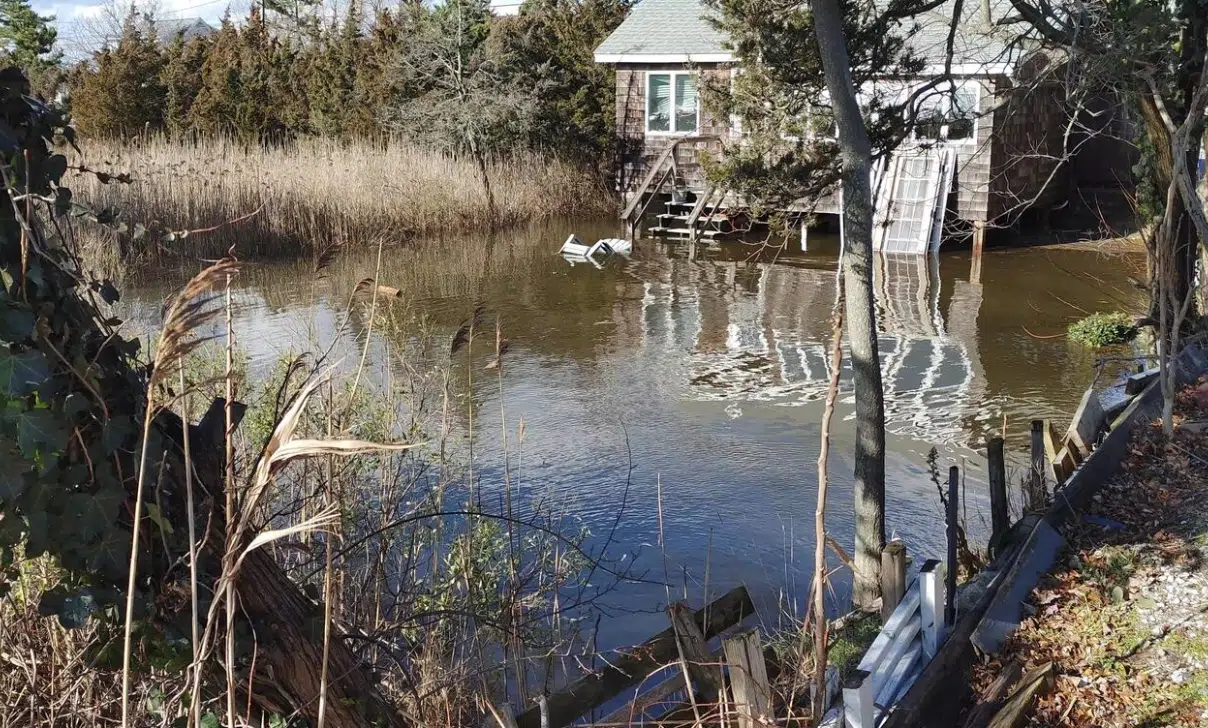
Once the first hard rain exposes the problem, you are no longer dealing with prevention. You are dealing with timing pressure, active water management, and a higher chance of damage around the home.
That is where home plumbing services become more than a convenience. The right service call before storm season can mean the difference between routine drain cleaning and a mess that disrupts your yard, your schedule, and your peace of mind.
The smartest time to deal with yard drains is before they fail
Yard drains usually do not fail all at once. They fail after a period of quiet buildup that only becomes obvious when the rain finally tests the system. If you are seeing early signs now, that is the best time to act. Addressing small plumbing concerns early can prevent more serious problems, which is why it’s helpful to know how Charleston emergency plumbers spot and fix minor plumbing issues before they escalate.
The goal is simple: solve the problem before the weather makes the decision for you. If you want reliable home plumbing services that can help inspect, clear, and address drain issues before storm season turns them into something bigger, schedule an appointment with Rooter-Man SC.